Views: 0 Author: Site Editor Publish Time: 2025-10-29 Origin: Site
Have you ever wondered what makes modern industries more efficient and sustainable? Search results - geelypanel might be the answer. These versatile materials are crucial across various sectors, enhancing performance and eco-friendliness. In this post, you'll learn about aluminum coils' role in automotive, construction, packaging, aerospace, and electronics industries, and discover their numerous benefits and applications."
Aluminum coils are vital in the automotive industry because they help reduce vehicle weight. Lighter vehicles consume less fuel, which benefits both drivers and the environment. When automakers replace steel with aluminum in parts like hoods, doors, and panels, they significantly cut down the overall weight. This not only improves fuel economy but also lowers carbon emissions, aligning with global efforts for greener transportation. For example, using aluminum in car bodies can decrease weight by up to 40%, leading to noticeable fuel savings over the vehicle’s lifespan.
Vehicles face harsh conditions—moisture, road salt, and varying weather. Aluminum’s natural resistance to corrosion makes it an ideal choice for automotive parts exposed to such elements. Components like heat shields, radiators, and structural panels made from aluminum coils stay durable longer, reducing maintenance costs and enhancing safety. This corrosion resistance ensures that vehicles maintain their appearance and integrity over time, which is especially important for cars in regions with salty or humid climates.
Aluminum's high thermal conductivity allows it to quickly transfer heat away from engine components. This property is crucial in cooling systems like radiators and heat exchangers, where efficient heat dissipation prevents engine overheating. Using aluminum coils in these parts helps maintain optimal engine temperatures, improving performance and longevity. Moreover, better thermal management contributes to higher fuel efficiency, as engines operate more efficiently when kept at ideal temperatures.
Electric vehicles (EVs) depend heavily on lightweight, durable materials to maximize range and efficiency. Aluminum coils are increasingly used in EVs for battery enclosures, chassis components, and cooling systems. Their lightweight nature helps extend driving distances between charges. Additionally, aluminum’s excellent thermal and electrical properties support efficient battery cooling and electrical wiring. As EV adoption grows, aluminum’s role in making these vehicles more sustainable and high-performing continues to expand.
B2B manufacturers should consider integrating aluminum coils into automotive components to improve vehicle weight, durability, and thermal management, ultimately enhancing overall performance and sustainability.
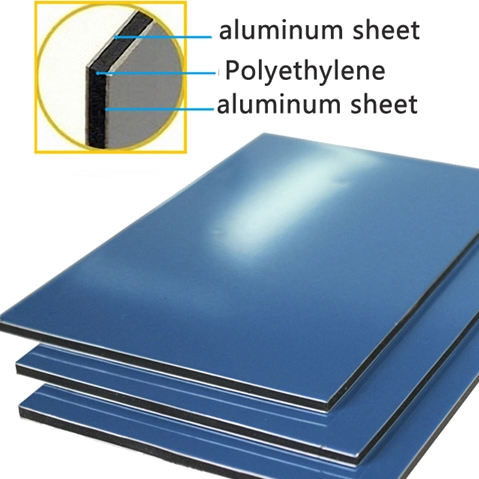
Aluminum coils are a popular choice for roofing and cladding because of their lightweight and weather-resistant qualities. They are durable enough to withstand harsh weather conditions like rain, snow, and strong winds. This makes them ideal for building exteriors where longevity matters. Their corrosion resistance ensures that the appearance remains intact over many years, reducing maintenance costs. Additionally, aluminum coils can be treated with various surface finishes, such as paints or coatings, to match different architectural styles. This allows architects and builders to create visually appealing facades that also perform well against environmental elements.
Aluminum coils are extensively used in manufacturing frames for doors and windows. These frames are stronger and more durable than traditional wood or PVC options. Aluminum’s natural strength allows for slimmer, more elegant profiles, maximizing natural light and views. They also resist warping, cracking, or rotting over time, which enhances the lifespan of the structures. Furthermore, aluminum frames are low-maintenance; they do not require frequent painting or sealing. Their thermal performance can be improved with thermal breaks, making them energy-efficient. This combination of strength, aesthetics, and energy savings makes aluminum a top choice in modern construction.
Aluminum coils play a key role in insulation and HVAC systems. In insulation, aluminum’s high thermal conductivity helps in heat transfer, making it effective in reflective insulation layers. These layers reflect radiant heat away from buildings, improving energy efficiency. HVAC systems use aluminum coils in heat exchangers, radiators, and ductwork because of their excellent heat transfer properties. Aluminum coils in these applications help regulate indoor temperatures efficiently, reducing energy consumption. Their corrosion resistance ensures they maintain performance over time, even in humid or corrosive environments.
Beyond structural uses, aluminum coils add aesthetic appeal to both interiors and exteriors. They can be processed into decorative panels, ceiling tiles, and wall claddings. Surface treatments, such as anodizing or powder coating, provide a wide range of colors and textures. This flexibility allows architects to create modern, sleek designs or traditional looks depending on project needs. Aluminum’s reflective qualities can also enhance lighting effects, making spaces appear brighter and more spacious. Its lightweight nature simplifies installation, saving time and labor costs. Overall, aluminum coils combine beauty with practicality, helping shape innovative architectural designs.
When choosing aluminum coils for construction, consider surface treatments and alloy types to optimize durability, aesthetics, and energy efficiency.
Aluminum coils are a top choice for food and beverage packaging because of their excellent barrier properties. They effectively block oxygen, moisture, and light, which helps keep products fresh longer. For example, aluminum foil wraps are used around baked goods, meats, and cheeses to preserve flavor and extend shelf life. Cans made from aluminum are common for soft drinks, beer, and other beverages because they are lightweight, durable, and easy to transport. Their flexibility allows manufacturers to produce various shapes and sizes, catering to different consumer needs.
In the pharmaceutical industry, aluminum coils are vital for packaging medicines safely. Blister packs, made from aluminum foil laminated with plastic, protect pills and capsules from moisture, light, and contaminants. This ensures medicines stay effective throughout their shelf life. Aluminum caps for medicine bottles also provide a tamper-evident seal, adding an extra layer of security. The material’s corrosion resistance guarantees that pharmaceutical products remain uncontaminated, maintaining high safety standards. Its lightweight nature makes handling and distribution more efficient, especially for large-scale pharmaceutical operations.
Aluminum coils support sustainable packaging initiatives because they are 100% recyclable without losing quality. Recycling aluminum requires only about 5% of the energy used in primary production, making it highly eco-friendly. Many brands now emphasize using recycled aluminum for their packaging, reducing environmental impact. The lightweight feature also lowers transportation emissions, further supporting sustainability goals. Companies benefit from aluminum's durability, as it withstands rough handling during shipping and storage, reducing waste from damaged packaging. Its versatility allows it to be shaped into various forms, from flexible wraps to rigid containers, meeting diverse packaging needs.
● Lightweight: Easier to handle, transport, and store.
● Recyclable: 100% recyclable without quality loss.
● Barrier Properties: Protects against oxygen, moisture, and light.
● Durability: Resistant to corrosion, impacts, and tearing.
● Versatility: Suitable for cans, wraps, blister packs, and more.
● Food Cans: Aluminum cans are popular for soft drinks, beer, and canned foods.
● Food Wraps: Aluminum foil wraps safeguard baked goods, meats, and cheeses.
● Pharmaceutical Blister Packs: Protect medicines from environmental damage.
● Flexible Packaging: Snack wrappers, pouches, and other food containers.
● Eco-friendly Initiatives: Brands adopting recycled aluminum for packaging to reduce carbon footprint.
When selecting aluminum coils for packaging, prioritize those made from recycled materials to enhance sustainability and meet eco-conscious consumer demands.
Aluminum coils are essential in building aircraft structures. Their high strength-to-weight ratio allows manufacturers to create durable fuselages, wings, and internal frameworks without adding unnecessary weight. Using aluminum reduces fuel consumption and emissions, making flights more eco-friendly. The coils are processed into sheets and panels that are lightweight yet strong enough to withstand aerodynamic forces. This balance of strength and weight is crucial for modern aircraft design.
Aluminum coils also play a vital role in fuel storage and transportation within aircraft. Their corrosion resistance ensures that fuel tanks and piping remain intact and safe over long periods. Aluminum’s lightweight nature reduces the overall weight of the aircraft, which directly impacts fuel efficiency. Manufacturers often form aluminum into seamless tanks and piping systems, preventing leaks and contamination. This application is especially important in commercial and military aviation, where safety and reliability are paramount.
Inside the aircraft, maintaining comfortable temperatures and minimizing noise is critical. Aluminum coils are used to produce reflective insulation layers that help manage heat transfer. Their high thermal reflectivity allows the aircraft to stay cooler in hot environments and retain warmth in colder conditions. Additionally, aluminum’s structural properties help dampen sound, reducing noise levels inside the cabin. These features improve passenger comfort and contribute to overall aircraft performance.
Aluminum coils are indispensable in space technology. They are used in manufacturing satellite structures, solar panel frames, and spacecraft components. Their lightweight yet durable nature helps reduce launch costs while ensuring structural integrity in space. Aluminum alloys resist extreme temperature fluctuations and radiation, protecting sensitive electronics and instruments. For example, aluminum’s thermal properties help in managing heat generated by onboard systems, preventing overheating.
In conclusion, aluminum coils bring unmatched benefits to aerospace applications. They enable the construction of lighter, stronger, and more reliable aircraft and spacecraft. As technology advances, their role in space exploration and aviation will only grow, driving innovations that make flying safer, more efficient, and sustainable.
When selecting aluminum coils for aerospace use, prioritize alloys with high strength and corrosion resistance to meet strict safety and durability standards.
Aluminum coils are vital in the electronics and electrical sectors because of their excellent conductivity, flexibility, and lightweight nature. They serve a broad range of applications that are essential for modern technology and power distribution.
One of the primary uses of aluminum coils in this industry is in power transmission lines. Aluminum is preferred over copper in many cases because it offers good electrical conductivity at a lower weight and cost. Power lines made from aluminum coils are easier to install and manage, especially over long distances. They are used to create wires and cables for transmitting electricity from power plants to homes and businesses. Aluminum's high strength-to-weight ratio makes it ideal for supporting heavy electrical loads without adding unnecessary weight to infrastructure.
Aluminum coils also play a crucial role in cooling electronic components. They are used to produce heat sinks, radiators, and other cooling elements in devices like laptops, mobile phones, and high-performance computers. Aluminum’s high thermal conductivity allows heat to dissipate quickly, preventing overheating and ensuring devices run efficiently. This helps extend the lifespan of electronic components and maintains optimal performance.
In the manufacturing of electrical components, aluminum coils are used in capacitors, circuit boards, and other electronic parts. Aluminum’s stability and conductivity make it suitable for creating thin, durable layers that conduct electricity while resisting corrosion. For example, aluminum foil is laminated onto plastic to produce capacitor shells, which store electrical energy efficiently and reliably. Circuit boards often incorporate aluminum for heat management and electrical pathways, especially in high-power applications.
As renewable energy and electric vehicles grow in popularity, aluminum coils are increasingly explored for battery applications. Researchers are investigating aluminum-based batteries that could offer higher energy density, faster charging, and better safety. Aluminum’s lightweight and high electrical conductivity make it a promising candidate for future energy storage solutions. Although still in development, these innovations could revolutionize how we store and use electrical energy.
Aluminum coils are essential in the chemical industry because of their excellent corrosion resistance and ability to withstand harsh environments. They are widely used to manufacture storage tanks, reactors, and pipelines that handle aggressive chemicals. Their durability ensures safety and longevity, preventing leaks or contamination. For example, aluminum’s resistance to corrosion makes it ideal for storing acids, bases, and other corrosive substances, reducing maintenance costs and downtime.
In solar energy, aluminum coils play a critical role in supporting and protecting solar panels. Their high strength-to-weight ratio makes them perfect for framing solar modules, providing sturdy, lightweight support that withstands weather conditions. Aluminum also offers excellent thermal conductivity, helping in the manufacturing of solar water heaters, where it improves heat transfer efficiency. This contributes to higher energy output and system durability, making solar solutions more reliable and cost-effective.
Aluminum coils are popular in printing and decorative applications. They can be processed into reflective, colorful panels used for signage, advertising, and interior decor. Surface treatments like anodizing or powder coating give them vibrant colors and textures, enhancing visual appeal. Their lightweight nature simplifies installation and transportation, while their durability ensures long-lasting aesthetic quality. These features make aluminum coils a favorite for creative architectural and promotional projects.
Beyond cars and aircraft, aluminum coils find extensive use in other transportation sectors. They are used in building rail transit vehicles like trains and subways, where lightweight, corrosion-resistant materials improve efficiency and safety. Marine applications also benefit from aluminum’s resistance to saltwater corrosion, making it suitable for ship hulls and decks. Additionally, in heavy machinery and military vehicles, aluminum coils contribute to reducing weight while maintaining strength, which enhances performance and fuel economy.
● Chemical industry: Storage tanks, reactors, pipelines resist corrosion, ensure safety.
● Solar energy: Frames, water heaters benefit from strength and thermal conductivity.
● Printing & decor: Reflective panels, signage, aesthetic finishes.
● Other transport sectors: Rail, marine, military applications for lightweight durability.
When selecting aluminum coils for chemical or solar applications, prioritize alloys with high corrosion resistance and thermal conductivity to maximize performance and longevity.
Aluminum coils are versatile, finding use in automotive, construction, packaging, aerospace, electronics, and more. They enhance fuel efficiency, durability, and thermal management, offering eco-friendly solutions across industries. Their future potential in renewable energy and advanced technologies highlights their importance. Aluminum coils provide substantial value, and companies like Zhejiang Geely Decorating Materials Co.,Ltd offer high-quality products that meet diverse industrial needs, ensuring sustainability and efficiency.
A: Aluminum coils are used in the automotive industry to reduce vehicle weight, enhance fuel efficiency, and provide corrosion resistance and durability.
A: In construction, aluminum coils are used for roofing, cladding, and frames for doors and windows due to their lightweight, weather-resistant, and aesthetic qualities.
A: Aluminum coils are preferred in packaging for their lightweight, recyclable nature, and excellent barrier properties that protect contents from oxygen, moisture, and light.
A: Aluminum coils are ideal for aerospace due to their high strength-to-weight ratio, corrosion resistance, and ability to withstand aerodynamic forces.
A: In electronics, aluminum coils are used for power transmission, cooling systems, and components like capacitors and circuit boards due to their conductivity and lightweight nature.