Views: 0 Author: Site Editor Publish Time: 2026-03-09 Origin: Site
Stainless Steel Composite Panels (SSCP) have become an essential material in modern construction and design, offering both aesthetic appeal and practical benefits. With their unique composition and versatile applications, SSCPs are increasingly being used for both interior and exterior projects. This article provides an in-depth look at SSCPs, covering their definition, features, applications, and the advantages they offer over traditional materials.
As architects and builders move toward more durable and sustainable materials, stainless steel composite panels have become a go-to option. Let’s explore the key features, benefits, and use cases of SSCPs in construction and other industries.
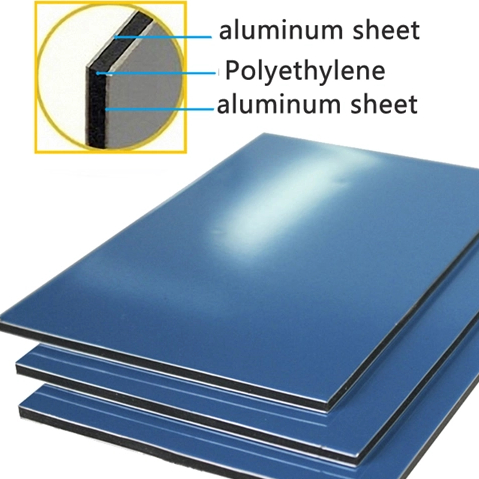
Stainless Steel Composite Panels (SSCP) are a type of metal composite material that consists of multiple layers. The primary composition includes two thin layers of stainless steel on the outer surface, with a core material sandwiched between them. This structure provides strength, durability, and flexibility while remaining lightweight.
Stainless Steel Composite Panels are typically made from:
Two outer stainless steel layers: These layers give the panel its strength and resistance to corrosion.
Core material: The core material can vary, with aluminum and polyethylene being the most common. The core material often contributes to the panel’s insulation and lightness.
Layer | Material | Function |
Outer Layer | Stainless Steel | Provides strength, durability, and resistance to corrosion |
Core Layer | Aluminum/Polyethylene | Offers insulation, lightweight properties, and stability |
Outer Layer | Stainless Steel | Provides strength, durability, and aesthetic appeal |
This combination of materials allows SSCPs to perform exceptionally well in various environments while maintaining their aesthetic appeal.
Single-layered: Composed of two layers of stainless steel, with no additional material for the core.
Multi-layered: These panels may include additional materials, such as aluminum, plastic, or other composites, for increased performance and functionality.
Stainless Steel Composite Panels stand out due to their combination of durability, lightweight nature, and aesthetic appeal. Let’s look at each of these features in more detail:
Stainless Steel Composite Panels are known for their exceptional resistance to corrosion, impact resistance, and high mechanical strength. The stainless steel layers protect the core from external damage, ensuring that the panels withstand harsh environmental conditions.
Corrosion Resistance: The stainless steel outer layers ensure the panels are highly resistant to rust and decay, even in humid and saline environments.
Impact Resistance: The panel's multi-layered construction absorbs impacts, reducing the likelihood of dents or deformations.
Temperature Tolerance: SSCPs maintain their structural integrity in both high and low temperatures, making them suitable for a range of climates.
Despite being made of stainless steel, SSCPs are surprisingly lightweight compared to traditional solid metal sheets or concrete panels. The core layer, which is typically made from materials like aluminum or polyethylene, provides strength while keeping the panel light enough for easy handling and installation.
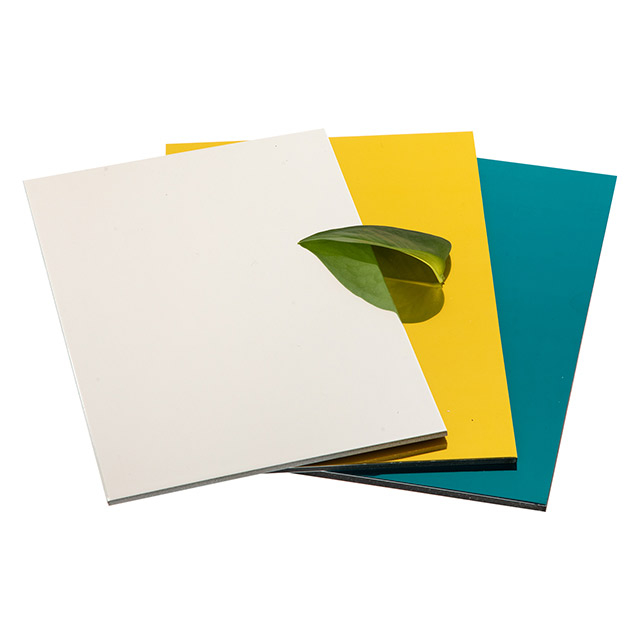
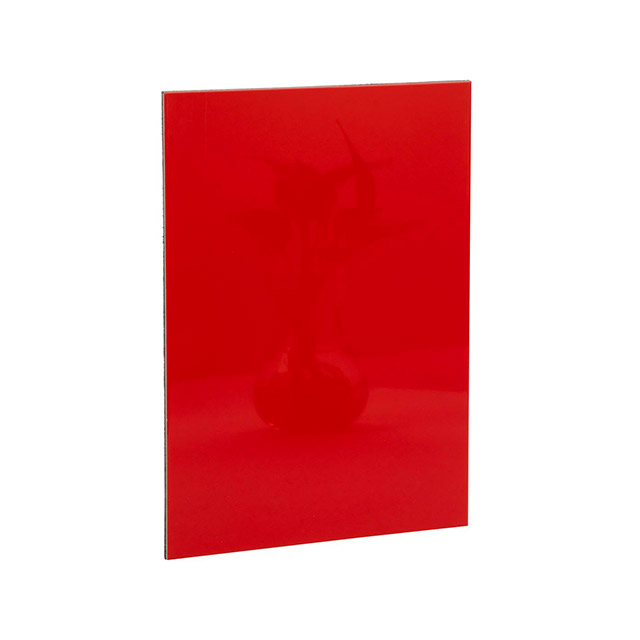
SSCPs offer a sleek, modern look, with a shiny metallic finish that complements contemporary architecture. Available in a variety of finishes, including matte, gloss, and custom coatings, these panels can be used in a wide range of applications. The reflective nature of stainless steel also makes the panels visually appealing, especially for modern facades and decorative elements.
Thermal Insulation: The core material, usually aluminum or polyethylene, helps in reducing heat transfer, making SSCPs an excellent choice for buildings that require energy efficiency.
Acoustic Insulation: The structure of the panel helps dampen sound, making it an ideal material for noise reduction in buildings and industrial applications.

Stainless Steel Composite Panels are incredibly versatile and can be used in various applications, both in commercial and residential construction.
The most common use of SSCPs is in the exterior cladding of buildings. The panels’ corrosion-resistant properties make them perfect for external surfaces, including:
Building facades: SSCPs provide both a modern look and protection against weather elements.
Curtain walls: Used in large commercial buildings to provide an attractive yet functional exterior surface.
Architectural panels: Decorative panels used in urban design and large-scale architectural projects.
SSCPs can also be utilized for interior applications. Their durability and aesthetic versatility make them suitable for:
Ceilings: For a sleek, clean finish that’s easy to maintain.
Wall coverings: Perfect for creating a polished and modern interior space.
Partitions: Used to create stylish and durable divisions within commercial spaces or offices.
Transportation: SSCPs are used in trains, buses, and even airplanes due to their lightweight and durable properties.
Signage: SSCPs are often used for creating outdoor signage that needs to withstand various weather conditions.
Compared to traditional materials like wood, glass, or solid metal panels, SSCPs offer several distinct advantages:
Unlike wood, which can rot or warp over time, SSCPs maintain their integrity even under extreme weather conditions. The stainless steel surface is immune to corrosion, and the composite nature of the material allows it to withstand impacts and harsh environments without degradation.
SSCPs require much less maintenance compared to other materials. Wood and traditional metal panels often need repainting or re-sealing to maintain their appearance and function. However, SSCPs only require occasional cleaning to keep them looking like new.
One of the key benefits of SSCPs is their customizability. These panels can be made in various sizes, colors, and finishes, allowing for creative design possibilities. Whether you need panels for a modern high-rise or a stylish interior, SSCPs offer a wide range of customization options.
The manufacturing process of SSCPs involves several intricate steps to ensure the final product’s quality and performance. Here’s a breakdown of the typical production process:
The first step in the production process is choosing high-quality stainless steel for the outer layers and selecting the core material (usually aluminum or polyethylene).
The stainless steel sheets are bonded to the core material through a high-pressure process that ensures the layers adhere to each other tightly. This step involves applying heat and pressure to fuse the layers together securely.
The panels undergo rigorous quality control checks to ensure that the bonding is flawless and that the panels meet industry standards for performance, appearance, and durability.
Once bonded, the panels are cut and shaped according to the required specifications. This could include cutting to size, adding finishes, or shaping the panels to fit specific designs.
Before being shipped out, the panels undergo a final inspection for any defects, ensuring that the product meets all safety and quality standards.
In today’s eco-conscious world, the sustainability of building materials is more important than ever. Stainless Steel Composite Panels are an environmentally friendly option for construction due to their recyclable nature and long lifespan.
Stainless steel is one of the most recyclable materials available. At the end of its life cycle, SSCPs can be fully recycled, reducing waste and minimizing the environmental impact of construction projects.
Many manufacturers use sustainable practices in the production of SSCPs, including reducing waste and utilizing eco-friendly materials in the core layer. This makes SSCPs an ideal choice for those looking to meet green building standards.
The insulation properties of SSCPs contribute to energy efficiency in buildings. By reducing heat transfer and controlling indoor temperatures, these panels help decrease the need for excessive heating or cooling, leading to lower energy consumption.
Stainless Steel Composite Panels (SSCPs) are an advanced building material known for their exceptional durability, aesthetic appeal, and sustainability. These panels are highly versatile, making them ideal for a wide range of applications, from exterior cladding to interior decoration. Their ability to withstand harsh weather, reduce energy consumption, and require minimal maintenance makes SSCPs a preferred choice for modern construction projects.
As the demand for sustainable and long-lasting building materials continues to rise, SSCPs are poised to become a staple in architecture and design. Whether for residential, commercial, or industrial applications, SSCPs offer both style and functionality, making them an investment that will stand the test of time.
At Zhejiang Geely Decoration Materials Co., LTD., we provide high-quality SSCPs tailored to meet the needs of your projects. Our team is dedicated to delivering top-notch products and expert advice. We invite you to contact us to learn more about how our SSCP solutions can benefit your next construction project.
1. What are Stainless Steel Composite Panels made of?
Stainless Steel Composite Panels are made from two outer layers of stainless steel with a core material such as aluminum or polyethylene in between.
2. Where can Stainless Steel Composite Panels be used?
They are commonly used in exterior cladding, building facades, interior partitions, ceilings, and in transportation and signage.
3. Are Stainless Steel Composite Panels durable?
Yes, SSCPs are extremely durable, with excellent resistance to corrosion, temperature extremes, and impacts.
4. How do Stainless Steel Composite Panels contribute to energy efficiency?
The insulation properties of SSCPs help reduce heat transfer, contributing to better energy efficiency in buildings by minimizing the need for heating or cooling.
5. Can Stainless Steel Composite Panels be recycled?
Yes, stainless steel is fully recyclable, making SSCPs an environmentally sustainable option for construction.