Views: 0 Author: Site Editor Publish Time: 2025-12-31 Origin: Site
Aluminium Composite Material(ACM) is becoming popular for cladding and signage. Many wonder if ACM is cheaper than aluminum.
Both materials offer unique benefits. The cost difference can affect your project decision.
In this article, we compare the costs of ACM and aluminum. We will discuss their material composition, manufacturing, and long-term value. Learn more about our products at GEELY.
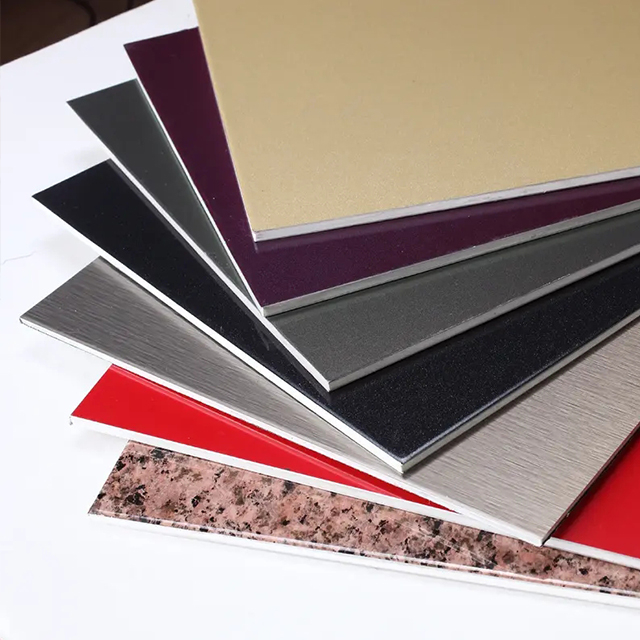
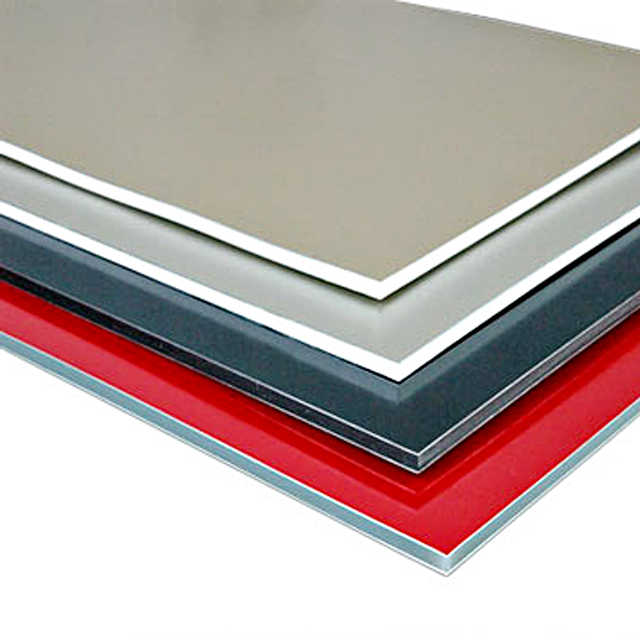
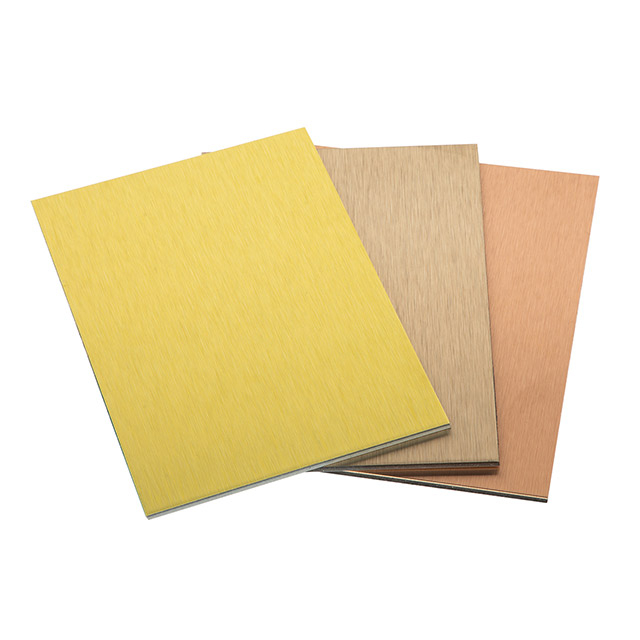
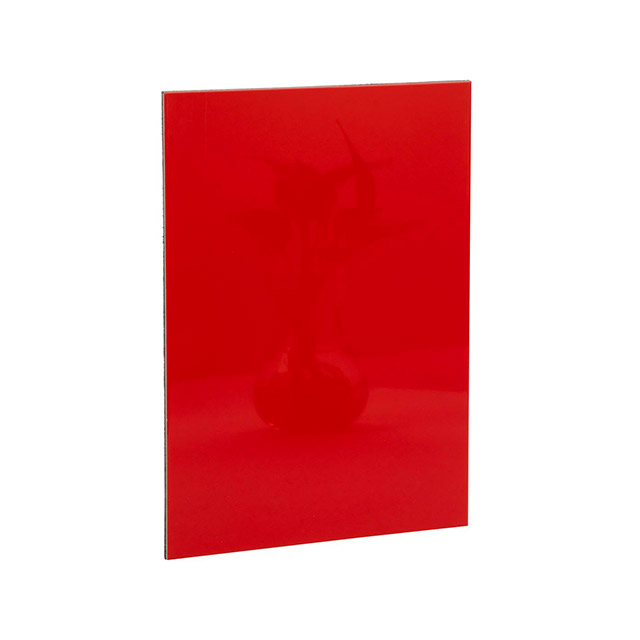
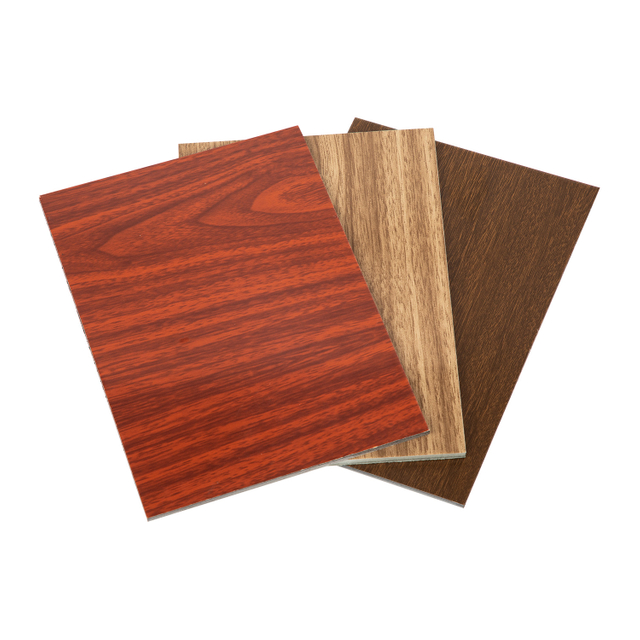
Aluminium Composite Material (ACM) consists of two thin layers of aluminum enclosing a non-aluminum core, typically made from polyethylene. This composite structure provides durability, flexibility, and aesthetic appeal, making it ideal for applications like building facades and interior cladding.
Aluminum is a naturally occurring metal that is lightweight, corrosion-resistant, and highly versatile. It is commonly used in structural applications, transportation, and manufacturing. However, compared to ACM, aluminum is often heavier and typically requires additional coatings to prevent corrosion.

ACM’s unique structure—two aluminum sheets with a core—makes it lighter and less expensive to produce compared to solid aluminum. The core material, typically polyethylene, reduces the overall material cost, making ACM more affordable for large projects like facades and signage.
Property | ACM | Aluminum |
Core Material | Polyethylene or fire-retardant core | Solid aluminum |
Weight | Lightweight due to composite structure | Heavier due to solid metal |
Cost | Generally cheaper due to core and processing | Higher cost due to solid material and coatings |
Manufacturing Process | Easier and faster due to composite structure | Requires more labor-intensive processes |
ACM panels are significantly lighter than aluminum panels. This not only makes them easier to handle and transport but also reduces labor costs during installation. The lighter weight of ACM panels can be a substantial cost saver when it comes to shipping and handling, particularly in large-scale construction projects.
While aluminum is durable, it often requires additional maintenance and coatings to ensure long-lasting performance. In contrast, ACM’s layered design provides resistance to corrosion, UV rays, and weathering, which can reduce maintenance costs in the long term. The relatively low-maintenance nature of ACM panels helps offset their initial cost, making them a cost-effective option over time.
When comparing the price per square meter, ACM is generally more affordable than aluminum. The composite construction of ACM, with its polyethylene core and thin aluminum layers, uses less metal overall. This makes ACM less expensive to produce compared to solid aluminum panels. For large-scale applications like building facades or cladding, the price difference can be significant. ACM’s affordability makes it an attractive choice for projects that require large surface areas.
ACM panels are lighter and easier to handle, which leads to reduced labor and handling costs. The ease of installation not only saves time but also reduces the need for specialized equipment, which further lowers overall project expenses. In contrast, aluminum panels, being heavier and requiring more robust handling, may increase labor costs. The heavier weight of aluminum often necessitates additional equipment and a larger workforce, thus raising the total cost of installation.
While aluminum panels may have a higher initial cost, ACM’s lower maintenance and replacement costs can make it more cost-effective over time. ACM is resistant to weathering, UV exposure, and moisture, which means it requires less frequent maintenance and fewer repairs. In contrast, aluminum panels may need more maintenance, including re-coating and addressing corrosion issues, especially in harsh environmental conditions. ACM’s durability and minimal upkeep can result in long-term savings, making it a more economical option in the long run.
Cost Aspect | ACM | Aluminum |
Price per Square Meter | Generally lower | Higher due to solid material and coatings |
Installation Costs | Lower due to lightweight and easy handling | Higher due to heavier weight and complex installation |
Maintenance Costs | Lower due to low maintenance requirements | Higher due to potential corrosion and maintenance of coatings |
Both materials are strong, but the composite structure of ACM provides additional benefits. While aluminum has natural strength, ACM combines the rigidity of aluminum with the stability of a plastic core, which resists bending and warping. This composite structure enhances the overall flexibility of ACM, allowing it to withstand impacts and environmental stress more effectively than solid aluminum panels. ACM’s ability to handle external pressure and stress makes it an excellent option for a range of applications that require durable yet lightweight materials.
Aluminum is inherently fire-resistant, making it an ideal choice for applications where fire safety is a primary concern. ACM, however, may not offer the same level of fire resistance, especially when it uses polyethylene cores. The core material in these panels can be flammable unless treated with fire-retardant coatings. This makes solid aluminum a better option for high-risk applications that require compliance with stringent fire safety standards, such as in the construction of high-rise buildings or industrial facilities. Therefore, the choice of material depends heavily on the specific fire safety requirements of a given project.
When it comes to insulation, ACM outperforms aluminum. The core material in ACM acts as an insulating layer, providing better thermal resistance and reducing heat transfer between interior and exterior spaces. This makes ACM an excellent option for energy-efficient building projects. On the other hand, aluminum is a better conductor of heat and, as a result, requires additional insulation to maintain energy efficiency. For projects that prioritize thermal performance, such as residential and commercial buildings, ACM is the superior choice, offering natural insulation benefits that reduce the need for extra energy-saving measures.
Performance Factor | ACM | Aluminum |
Strength | Good flexibility and impact resistance | High strength, ideal for structural applications |
Fire Resistance | Depends on core (flammable unless treated) | Naturally fire-resistant |
Thermal Insulation | Better insulation due to core material | Poorer insulation, requires additional measures |
Durability | Excellent for weathering and UV resistance | Requires coatings to maintain performance |
Both aluminum and ACM are recyclable, but aluminum is easier to recycle due to its pure metal structure. ACM, however, contains a plastic core, making it more complex to recycle. Despite this, the reduced overall use of aluminum in ACM panels helps make them a more sustainable choice. As recycling processes for composite materials improve, the environmental impact of ACM continues to decrease, making it a viable option for sustainable construction.
The production of ACM generally has a smaller environmental footprint compared to solid aluminum panels. This is because ACM uses less aluminum overall, reducing the demand for raw material extraction. However, the plastic core in ACM panels can have a certain environmental impact. As the industry continues to advance, improvements in recycling technologies for ACM are helping to address this issue, making the production process more environmentally friendly.
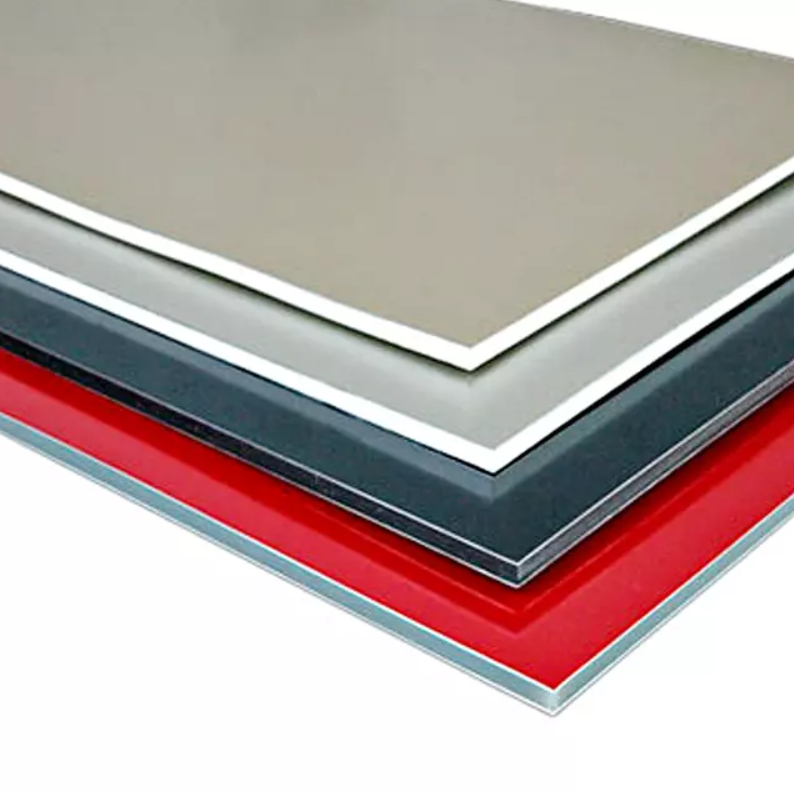
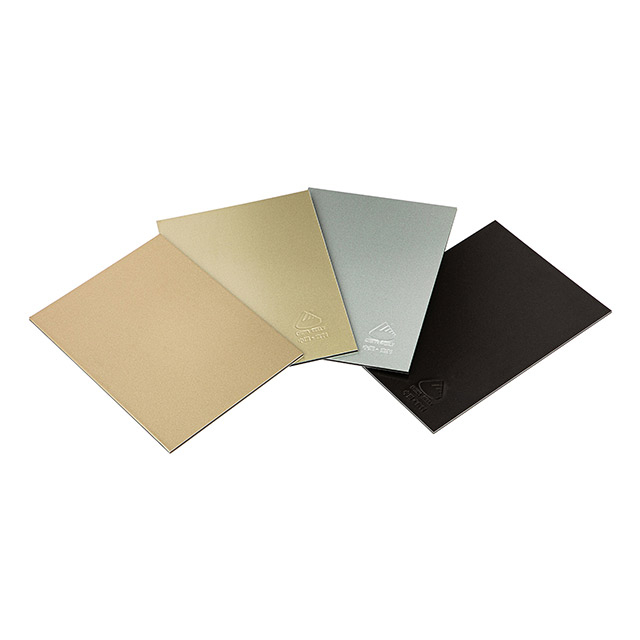
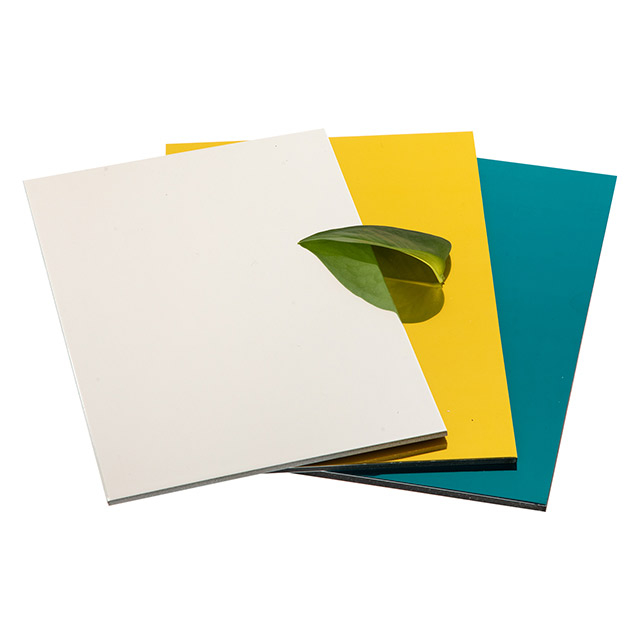
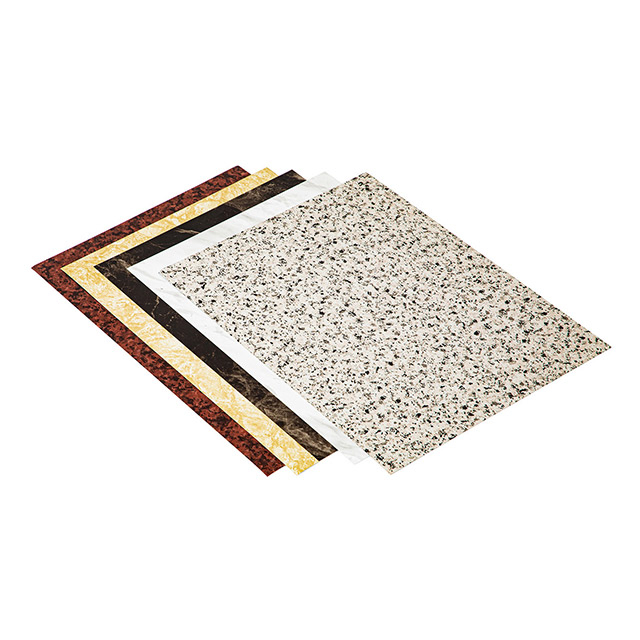
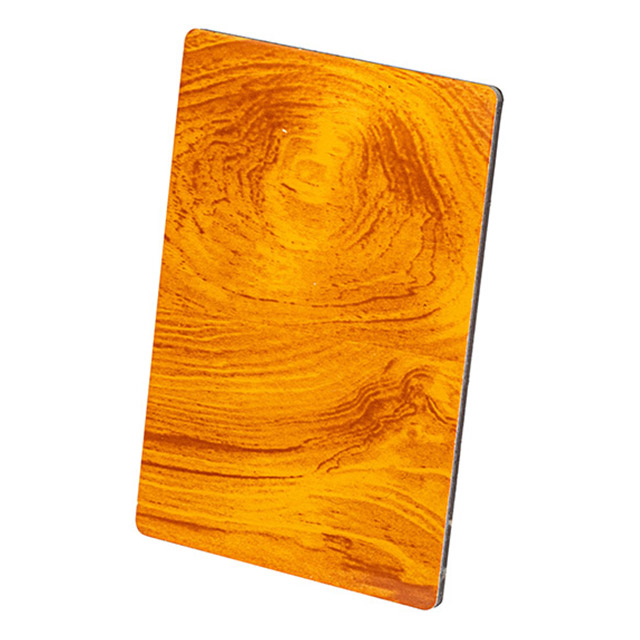
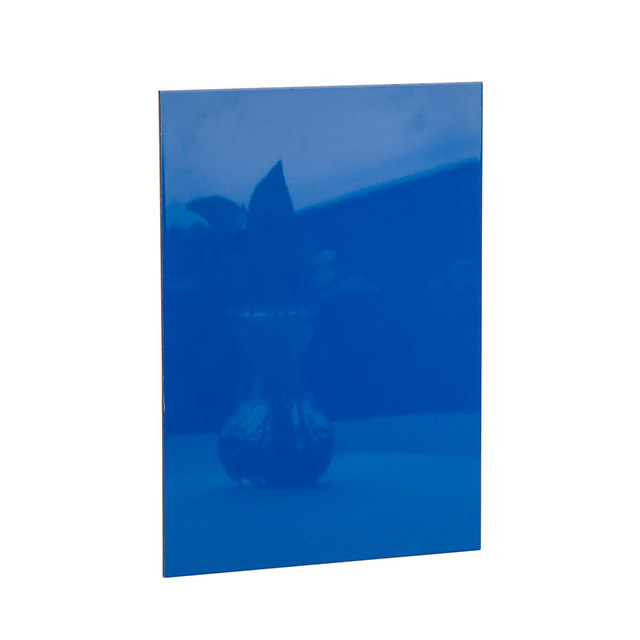
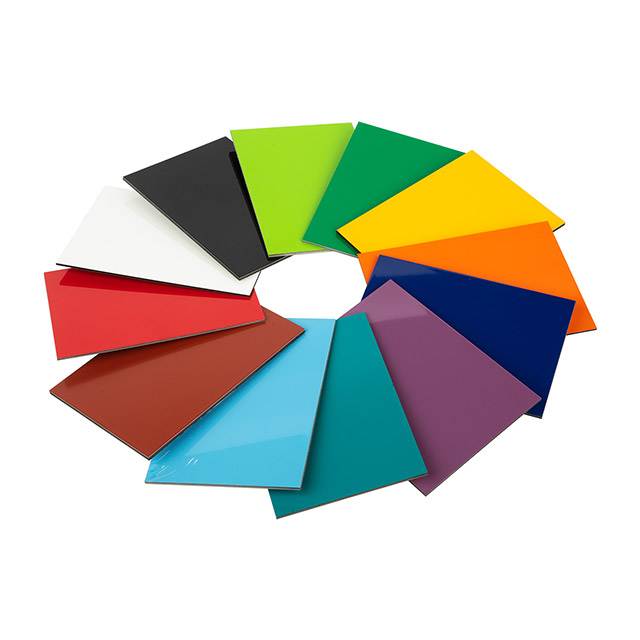
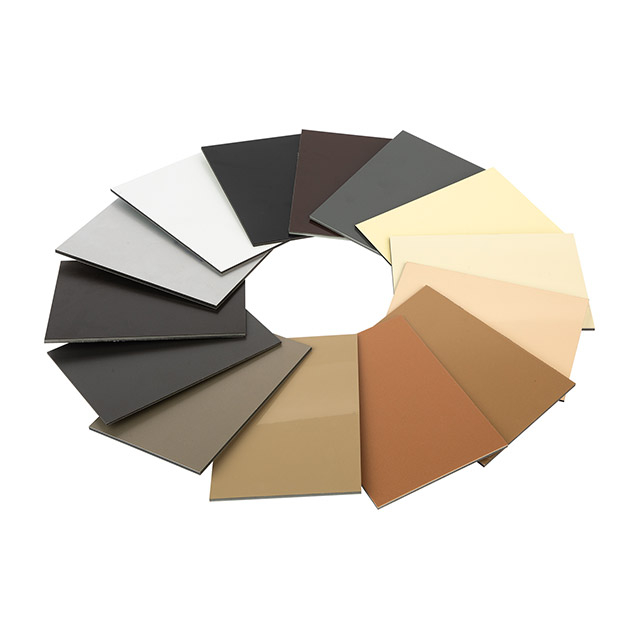
ACM is a great choice for projects that require weight reduction, cost-effectiveness, and design flexibility. It is widely used in building facades, signage, and interior cladding. The lightweight nature and versatility of ACM allow for creative designs, and its wide variety of finishes makes it suitable for modern architecture. The cost-effectiveness of ACM, combined with its durability and aesthetic appeal, makes it an excellent choice for many construction projects.
Aluminum is ideal for applications that demand superior strength, durability, and fire resistance. It is commonly used in high-stress environments, such as aerospace, transportation, and heavy-duty construction projects. Aluminum's strength and fire-resistant properties make it the preferred material for projects that require reliable performance under extreme conditions. Its resistance to corrosion also makes it an excellent choice for outdoor and industrial applications.
ACM panels offer significant cost savings for large-scale applications like cladding and facades. The lightweight nature of ACM makes it easier to handle, which can reduce shipping and installation costs. For large commercial projects, ACM provides an excellent balance between cost, performance, and ease of installation. Its flexibility in design and the wide variety of finishes also contribute to its appeal for large-scale projects, allowing for both aesthetic and functional requirements to be met without exceeding budget constraints.
When deciding between ACM and aluminum, it is important to consider the specific needs of your project. For projects requiring high-strength, fire-resistant materials, aluminum may be the better option despite its higher initial cost. Aluminum’s durability and fire resistance are unmatched, making it a more reliable choice for projects that need to withstand extreme conditions. On the other hand, for projects focused on cost-efficiency and design flexibility, ACM often provides a more affordable and versatile solution. Understanding the demands of your project will help you determine which material is the best fit for your needs.
ACM is typically cheaper than aluminum in terms of material and installation costs. However, the choice depends on your project's specific needs. ACM is ideal for lightweight, durable applications with minimal maintenance. On the other hand, aluminum is better suited for projects requiring high strength and fire resistance. Understanding the cost differences and performance characteristics of both materials will help you make the best decision for your project. Products from GEELY offer great value with durable, cost-effective solutions for various applications.
A: Yes, ACM is generally cheaper than aluminum. The composite structure of ACM, with a polyethylene core, reduces production and material costs.
A: Factors like material composition, manufacturing process, and weight impact the price difference. ACM is lighter and easier to install, reducing costs.
A: ACM requires less maintenance due to its corrosion resistance, making it more cost-effective over time compared to aluminum, which needs coatings to prevent corrosion.
A: Choose ACM when you need a lightweight, cost-effective solution for cladding or signage. Aluminum is better for applications requiring superior strength and fire resistance.