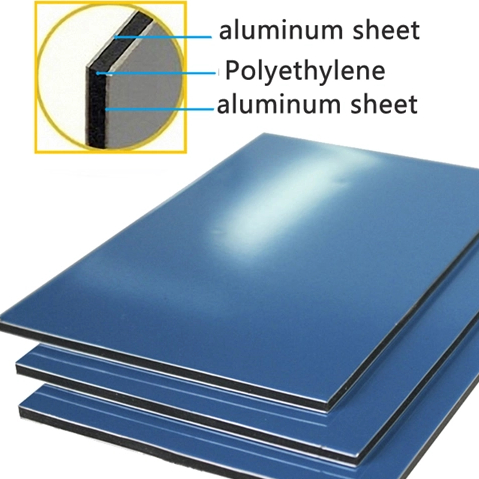
Views: 0 Author: Site Editor Publish Time: 2026-09-23 Origin: Site
Selecting the right coating for your aluminum composite panels (ACP) dictates project budgets. It also determines long-term maintenance needs and the aesthetic survival of your installation. Both PE (Polyester) and PVDF (Polyvinylidene Fluoride) offer smooth, versatile finishes. However, their underlying chemical structures drastically alter their performance under environmental stress. Ignoring these differences often leads to costly rework. This guide provides an evidence-based evaluation framework. We aim to help architects, contractors, and procurement teams confidently choose the right panel. You will learn how to match these coatings to specific interior or exterior applications. We will explore chemical differences, evaluation dimensions, and practical use cases. By the end, you will know exactly which panel secures your investment and ensures project success.
Evaluating panels without understanding the coating chemistry leads to significant project risks. If you over-spec a project, you waste valuable budget. If you under-spec it, you cause premature facade failure. Architects must understand the molecular differences between these two paints. This knowledge prevents costly maintenance surprises down the road.
Many procurement teams look only at color samples. They assume all paints perform equally under the sun. This is a critical error. Selecting a PE vs PVDF aluminum composite panel requires matching chemical resilience to environmental exposure. A panel might look identical on day one. However, after five years of UV exposure, the chemical composition reveals its true quality.
Polyester (PE) coatings rely on a high molecular polymer composition. Manufacturers utilize this simple structure to create highly adaptable paints.
Using a high-gloss PE panel for a south-facing exterior wall. The intense UV exposure will degrade the vibrant finish. You will likely see noticeable fading within five years.
PVDF stands for Polyvinylidene Fluoride. It belongs to the fluorocarbon family of resins. This coating dominates heavy-duty architectural applications for very specific chemical reasons.
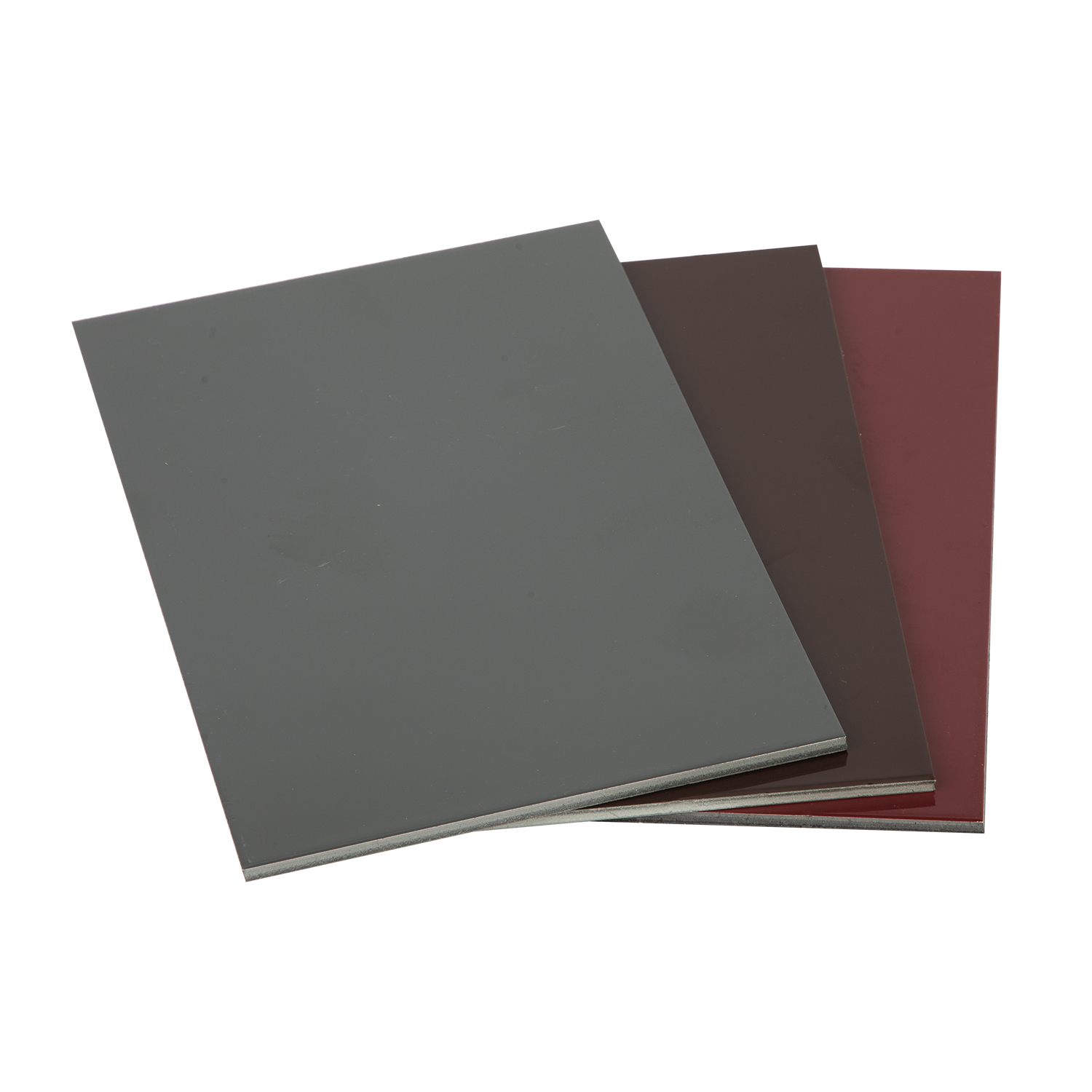
To make an informed decision, you must compare these coatings across specific performance dimensions. Aesthetics, durability, and cost metrics all play crucial roles in your final specification.
Sunlight acts as the ultimate test for architectural coatings. UV rays bombard the surface daily. This energy breaks down weak chemical structures.
PVDF guarantees remarkable color retention. Standard fluorocarbon panels offer 15 to 20+ years of vibrant life under direct sunlight. They do not blister easily. They maintain their structural integrity against harsh weather. Conversely, PE panels struggle under heavy exterior exposure. A standard PE coating typically begins to fade after 5 to 7 years outdoors. You will often see "chalking." This is a white, powdery residue that forms as the resin degrades.
Your design vision heavily influences the coating choice. Sometimes, extreme vibrancy outweighs extreme longevity.
PE offers incredibly vibrant, high-gloss finishes. If your project demands a mirror-like shine or a neon brand color, PE delivers perfectly. It supports a broader range of easily customized colors. PVDF usually yields a more matte, subdued finish. The fluorocarbon resin naturally scatters light differently. While modern technology allows for some gloss in PVDF, it rarely matches the sheer brilliance of a fresh PE panel.
Financial constraints often dictate material selection. Understanding the upfront versus long-term financial impact is essential.
PE provides immediate budget relief. It is significantly cheaper to produce. This makes it ideal for low-exposure projects where budgets are tight. PVDF requires higher initial capital. The raw fluorocarbon resin costs more. The multi-coat application process takes longer. However, PVDF prevents mid-lifecycle recoating or replacement. For permanent commercial structures, paying more upfront saves vast sums in future scaffolding, labor, and replacement panels.
Table 1: Coating Performance Matrix
| Feature | PE (Polyester) | PVDF (Fluorocarbon) |
|---|---|---|
| Lifespan (Exterior) | 5 - 7 Years | 15 - 20+ Years |
| Gloss Level | High to Ultra-High | Matte to Medium Gloss |
| UV Resistance | Low/Moderate | Excellent |
| Initial Cost | Economical | Premium |
Despite its vulnerability to intense UV light, polyester remains a highly valuable material. Specifying a PE aluminum composite panel makes perfect sense under the right conditions. You simply need to align the material with the project's realistic lifespan.
To succeed with PE coatings, your project must meet specific criteria. First, it should require a short-to-medium lifespan. Second, it must face zero harsh environmental exposure. Third, it might demand ultra-high-gloss aesthetics that only polyester can achieve.
When using PE panels for outdoor signage, position them under awnings or structural overhangs. Limiting direct overhead sunlight can extend the vibrant lifespan of a PE coating by several years.
Certain architectural endeavors leave no room for compromise. When failure is not an option, you must upgrade your specification. Relying on an advanced cladding panel with a fluorocarbon finish protects the structural asset for decades.
PVDF applications share common strict requirements. Projects require long-term structural aesthetics. They demand severe weather resistance. Furthermore, stakeholders want minimized maintenance liabilities over the building's operational life.
Knowing which coating you need is only half the battle. Securing the genuine product from a manufacturer requires diligent quality assurance. The global supply chain contains inconsistencies. You must protect your project from substandard materials.
The premium price of fluorocarbon creates a temptation for fraud. Unscrupulous suppliers may mix cheap PE with low-grade PVDF to cut costs. They will label it as "PVDF," but it will fail prematurely. To prevent this, you must specify resin content in your procurement documents. Always demand a minimum of 70% Kynar 500® or Hylar 5000® resin content. These branded resins serve as the industry gold standard for fluorocarbon quality.
Paint thickness directly correlates to weatherability. If the manufacturer sprays the paint too thin, the panel will chalk rapidly. You should verify coating thickness before accepting a shipment.
Procurement teams often verify these metrics via third-party mil-gauge testing upon factory delivery. Do not rely solely on the manufacturer's word.
Warranties provide peace of mind, but they often contain hidden loopholes. Always read the specific limitations of the document. A 20-year warranty against "peeling" does not always cover chalking or severe delta-E color shifting. A panel might stay attached but turn completely white. Require baseline color-fade metrics in your contract. Ensure the warranty strictly defines acceptable fade limits over a specific timeline.
Request an AAMA 2605 test report for your PVDF panels. The American Architectural Manufacturers Association sets rigorous standards. AAMA 2605 compliance proves the coating can withstand 10 years of South Florida weathering.
Selecting the right coating is a calculated engineering decision. Base your shortlisting logic strictly on the exposure profile and intended lifespan of the asset. Use PE for interiors, short-term temporary installations, and projects demanding ultra-high-gloss colors. Reserve PVDF for permanent exterior architecture, high-rise buildings, and severe climate zones.
Your next steps should focus on rigorous verification. Before finalizing any bulk orders, request physical coating samples from your supplier. Ask for comprehensive technical data sheets (TDS). Most importantly, demand independent lab test reports to verify the chemical integrity of the paint. Taking these steps ensures your building facade remains beautiful, durable, and structurally sound for decades to come.
A: Generally, you can spot a slight difference in finish. PE has a higher natural gloss, while PVDF usually looks more matte. However, visual inspection is never 100% reliable. Accurate identification requires specific chemical testing (such as the MEK rub test) or an electronic thickness gauge to verify the multi-coat system.
A: Yes, it is notable. PVDF panels are generally 15% to 30% more expensive than standard PE panels. This variance fluctuates depending on the aluminum skin thickness, the specific custom color formulation, and the current market price of fluorocarbon resin.
A: No. Fire resistance (such as Class B, B1, or A2 ratings) is determined exclusively by the core material. A polyethylene core behaves differently than a mineral-filled fire-retardant core. The very thin PE or PVDF surface coating does not dictate the overall fire compliance of the panel.
A: Yes, you can repaint them. However, it requires extensive surface preparation, specialized etching primers, and expensive outdoor-rated architectural paints. The massive labor cost of repainting often negates any initial cost savings you gained by choosing PE for an exterior wall.