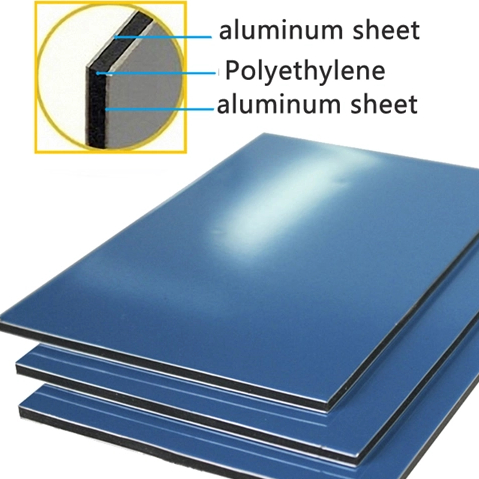
Views: 0 Author: Site Editor Publish Time: 2026-09-26 Origin: Site
Transit damage carries incredibly high commercial stakes. You simply cannot ignore it. Scratched decorative surfaces disrupt your schedules immediately. Crushed edges cause severe material waste. You experience rapid margin erosion when shipments arrive compromised. Delivering a flawless wooden finish requires serious planning. It demands a multi-layered, logistics-aware packaging strategy. This comprehensive strategy must extend from the factory floor directly to your job site. A beautiful panel means nothing if it arrives damaged. Buyers must demand strict protective protocols from their manufacturing partners. You need absolute assurance before authorizing any shipment. We will outline the exact protective measures you should require. We want you to ensure material integrity upon delivery. By understanding these packaging requirements, you protect your investments efficiently. You keep construction projects moving forward smoothly. Let us explore the critical steps to secure your shipments.
Business operations suffer greatly when materials arrive damaged. You lose valuable time. Your installation crews wait idly on site. Every ruined sheet impacts your profitability directly. Procuring a premium wooden aluminum composite panel requires meticulous attention beyond the aesthetic finish. You must safeguard the physical integrity during shipping.
Panels experience severe vibration during freight. Trucks bounce on uneven roads. Cargo ships endure rough oceanic waves. This constant movement causes harmful friction. Abrasion quickly follows. The decorative wood-grain layer suffers micro-scratches easily. These scratches dull the premium finish permanently. You cannot polish them out. Buyers must insist on robust surface isolation. Layers must not rub against each other.
Corner damage presents a compounding cost. Forklift operators often make slight miscalculations. Pallets bump into warehouse walls. These minor impacts crush panel edges instantly. Crushed corners render entire sheets unusable. Installers cannot fit damaged edges into standard framing systems. You end up trimming the panels down. This wastes material and alters your planned dimensions.
Oceanic freight introduces serious environmental threats. Saltwater air permeates poorly sealed containers. Prolonged site storage exposes materials to rain. Improper sealing allows moisture penetration. Water trapped between panels degrades the protective film adhesive. It also risks staining the decorative coating. You must ensure watertight wrapping protocols.
You must establish clear success metrics for your logistics. Accept nothing less than perfection.
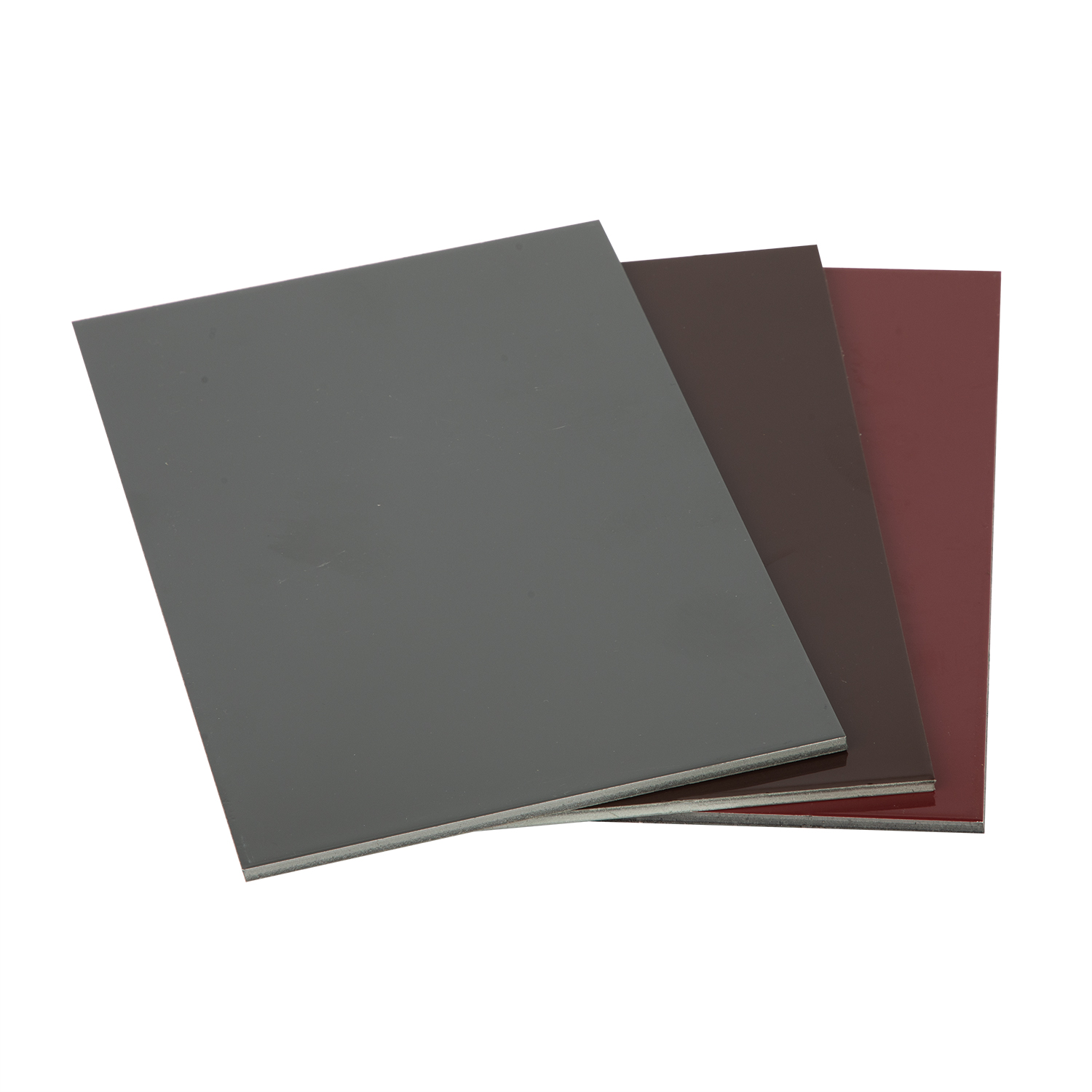
Effective transit protection relies on a specialized, multi-layered approach. Each layer serves a highly specific technical function. You cannot skip any tier.
Every panel requires a primary surface protective film. This film prevents immediate scratches. It must possess precise adhesion levels. High adhesion prevents peeling during transit. Low adhesion ensures easy removal later. You do not want sticky residue left behind. Residue ruins the installation process. Cleaning chemicals often damage the wood-grain aesthetics.
Consider the differences in protective requirements. High-gloss wood finishes require specialized, thick films. You face different challenges compared to a standard pe aluminum composite panel. Matte finishes hide minor imperfections well. High-gloss surfaces highlight every single flaw. We strongly recommend testing film adhesion across varying temperature ranges.
Horizontal stacking introduces massive pressure. The bottom panels bear the weight of the entire stack. You must prevent face-to-back friction. Manufacturers insert foam sheets between every panel. Some utilize heavy-duty corrugated cardboard. This secondary layer acts as a shock absorber. It disperses downward pressure evenly. It stops the raw aluminum backing from scratching the delicate wood-grain face below it.
The foundation of shipping is the pallet. Flimsy pallets snap under heavy loads. You must mandate heavy-duty wooden pallets. They must undergo proper fumigation. ISPM 15 compliance is absolutely non-negotiable for export. Customs will reject untreated wood immediately. Suppliers must apply rigid corner guards. They must secure the load using high-tension PET strapping. Steel strapping often digs into the material.
Packaging Protection Matrix
| Layer Type | Material Used | Primary Function |
|---|---|---|
| Primary | Coated adhesive film | Prevents surface micro-abrasions and minor scratches. |
| Secondary | Foam sheets or cardboard | Absorbs shock and prevents face-to-back friction. |
| Tertiary | Fumigated wood pallets | Provides rigid structural support for heavy loads. |
| Exterior | PET strapping and edge guards | Secures the bundle and protects fragile corners. |
Physical dimensions change logistical requirements completely. You cannot use a one-size-fits-all approach. Variations in size and weight demand custom engineering.
Thickness dictates the overall weight. A 4mm panel weighs significantly more than a 3mm panel. You must calculate pallet load limits accurately. Overloading a pallet causes structural failure. The bottom panels warp under excessive stress. Forklifts struggle to lift overloaded pallets safely. Demand strict weight caps per pallet from your manufacturer.
Architectural designs often require unique sizes. Reviewing your exact wooden aluminum composite panel specifications is crucial here. Custom lengths over 2440mm create extreme logistical vulnerabilities. Standard pallets leave the ends hanging off. This unsupported overhang causes severe sagging. The panels bow and suffer stress fractures. Long panels require specially engineered, reinforced pallet structures. Suppliers must build extended frames to support the entire length uniformly.
Shipping volume alters the packaging strategy entirely. You must evaluate your order size.
The best packaging fails if handling procedures remain sloppy. Human error destroys materials daily. You must enforce strict operational guidelines.
Warehouse teams must use appropriate machinery. Forklift tine spacing is incredibly important. Operators must spread the tines wide. Narrow tines create a centralized pressure point. This causes center-load snapping. The entire pallet bows in the middle. You must verify lifting capacities before moving heavy crates. Underpowered forklifts jerk and drop loads unpredictably.
Large construction sites rely on cranes. Unloading oversized crates requires precise rigging. Workers must never allow metal chains to touch the panels directly. Chains gouge the wood-grain finish instantly. Crews must use wide nylon straps. These straps distribute the lifting force safely. You should also utilize spreader bars. Spreader bars prevent the straps from crushing the top edges of the crate.
Job sites offer terrible storage conditions. Elements attack the materials relentlessly. Sunlight poses the biggest threat. UV exposure bakes the protective film. You must monitor how long pallets sit outside. Intact packaging does not stop heat transfer. UV limits dictate rapid action. You must remove protective films shortly after installation. Delaying this process ruins the panels completely.
Procurement goes beyond negotiating prices. You are buying a complete delivery system. You must evaluate vendor reliability carefully. Weak logistics indicate a weak manufacturer.
Do not trust verbal promises. Demand solid proof. Credible factories provide photographic evidence. They photograph the container loading process step by step. They show you the bracing techniques. Ask for packaging mock-ups before dispatch. You want to see exactly how your materials will travel. This transparency prevents unpleasant surprises later.
Reliable manufacturers run rigorous tests. They test their protective films under extreme conditions. They simulate high heat to check for adhesive transfer. They simulate freezing temperatures to ensure the film does not turn brittle. Ask to see their QA testing logs. A factory unwilling to share these logs is hiding substandard practices.
Accidents happen occasionally. How the factory responds matters most. Assess their damage liability policies carefully. Review the transit warranty details. Determine exactly what evidence they require for a claim. Check their resolution timelines. A good supplier expedites replacement panels immediately. They do not force you to wait months for an insurance payout.
Use packaging rigor as your ultimate filter. Eliminate vendors who cut corners on pallets. Select a truly reliable wooden aluminum composite panel supplier based on operational maturity. Strong packaging proves they respect their own product. It proves they respect your project timeline.
Premium wood-grain aesthetics hold immense value. However, this value vanishes if the materials fail to survive the supply chain. You must prioritize transit protection throughout procurement. Demanding specific films, heavy-duty pallets, and strict handling protocols guarantees success. Rigorous packaging serves as a clear indicator. It highlights a manufacturer's overall operational maturity. Do not leave delivery to chance. Request a packaging sample box today. Review the company’s standard shipping service level agreements thoroughly. Contact your sales representative to discuss custom sizing and specific crating options for your next project.
A: The industry standard allows 45 to 60 days post-delivery. You must remove it within this timeframe. Prolonged exposure causes severe problems. UV rays bake the adhesive directly into the decorative layer. This leaves stubborn residue behind. Cleaning baked residue often damages the wood-grain finish. Peel the film immediately after panel installation.
A: Yes, reputable suppliers always treat them. They strictly follow ISPM 15 standards. This international regulation requires thorough fumigation or heat treatment. It kills pests hiding inside the raw wood. Customs officials will immediately reject and quarantine shipments lacking the official ISPM 15 certification stamp.
A: You can mix them if the physical dimensions match perfectly. Logistical feasibility depends entirely on equal sizing. Different lengths or widths create dangerous pressure points. The larger panels will overhang and snap. Ensure the panels share identical thickness and dimensions to prevent face-to-back friction during transit.
A: Follow a strict operational protocol. Document the damage explicitly on the Bill of Lading before signing. Take clear, timestamped photos of the crates prior to unstrapping them. Do not unpack the damaged sections. Notify your supplier and the freight forwarder within 24 hours to initiate a formal claim.