Views: 0 Author: Site Editor Publish Time: 2026-01-02 Origin: Site
Aluminum Composite Material (ACM) is gaining popularity in construction and design for its durability and lightweight properties. But what exactly is ACM, and why is it so widely used?
In this article, we’ll explore its definition, composition, and key properties. We’ll also discuss the many applications of ACM, helping you understand why it’s a go-to material for modern architecture. Learn more about our products at GEELY.
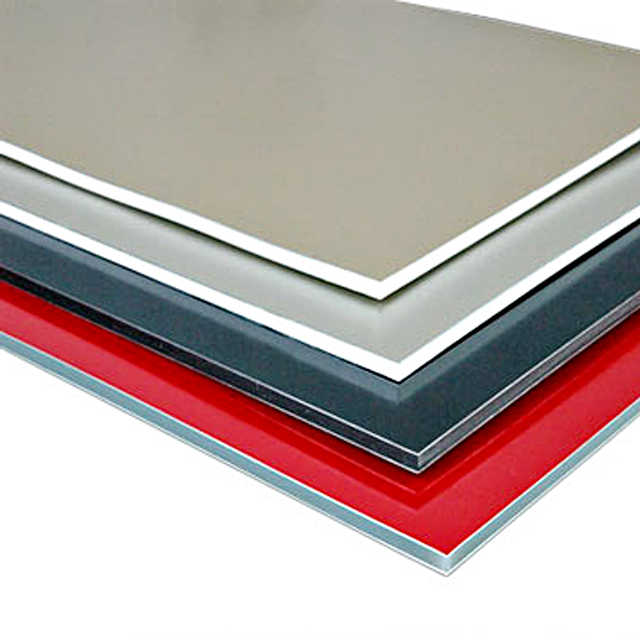
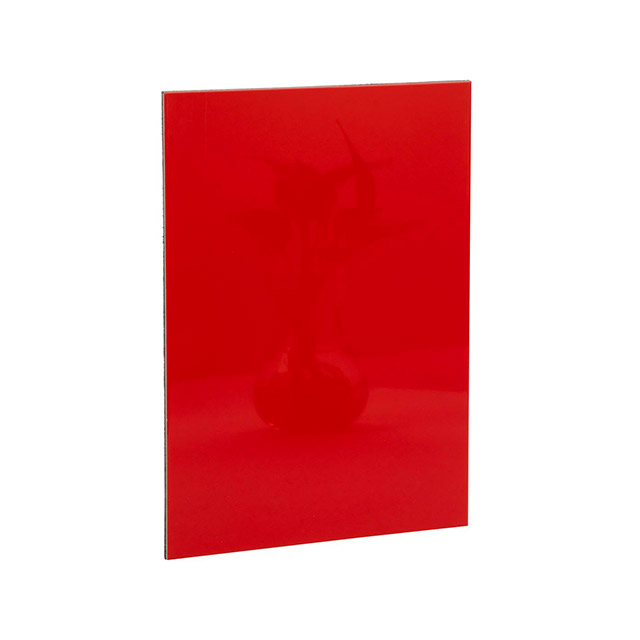
Aluminum Composite Material (ACM) is a versatile composite material made by bonding two thin layers of aluminum to a non-aluminum core, which is often polyethylene or fire-resistant material. This unique structure gives ACM a combination of strength and lightness, making it ideal for applications that require both durability and flexibility, such as facades, cladding, and signage. The outer aluminum layers provide protection, while the core material contributes to its lightweight nature.
The manufacturing process of ACM involves a lamination method in which the aluminum sheets are bonded to the core material using high pressure and heat. This process ensures that the resulting panels have a smooth finish, high strength, and flexibility, allowing them to withstand extreme weather conditions. The process allows for efficient production and ensures the consistent quality of the panels used in a wide variety of applications.
Although both ACM and solid aluminum feature similar aluminum outer layers, their internal structures differ significantly. Solid aluminum is a single, uniform material, making it heavier and more challenging to handle. In contrast, ACM incorporates a lightweight core material between the aluminum layers, reducing the overall weight of the material by up to 50%. This reduction in weight makes ACM easier to transport, install, and work with, without sacrificing the strength and durability needed for various applications.
Property | ACM | Solid Aluminum |
Material Structure | Composite (aluminum + core material) | Solid aluminum |
Weight | Lightweight due to the core material | Heavier due to solid metal |
Cost | More affordable due to core material | Higher cost due to pure aluminum |
Handling & Transport | Easier to transport and install | Heavier, requires more labor for transport |
Durability | Strong, weather-resistant | Highly durable but prone to corrosion |
One of the standout properties of ACM is its lightweight construction. Despite being light, the material remains strong and durable, making it an ideal choice for large applications like building facades or vehicle bodies.
The aluminum sheets on the exterior of ACM provide a strong protective barrier against the elements. ACM’s resistance to weathering, corrosion, and UV degradation ensures that it maintains its visual appeal and structural integrity even when exposed to harsh environmental conditions. This makes ACM particularly suitable for use in outdoor applications, including building facades, signage, and cladding, where long-term durability is crucial.
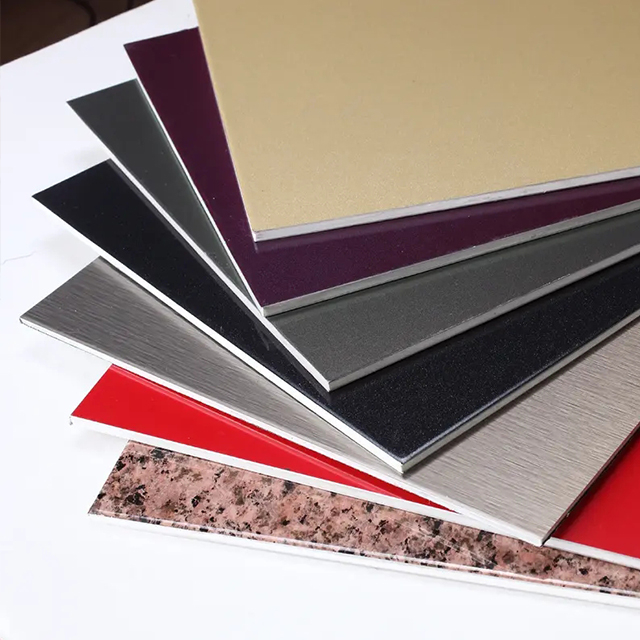
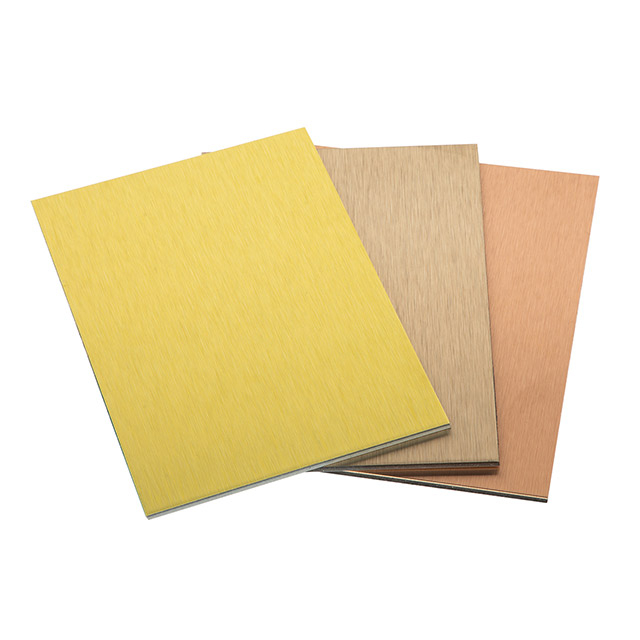
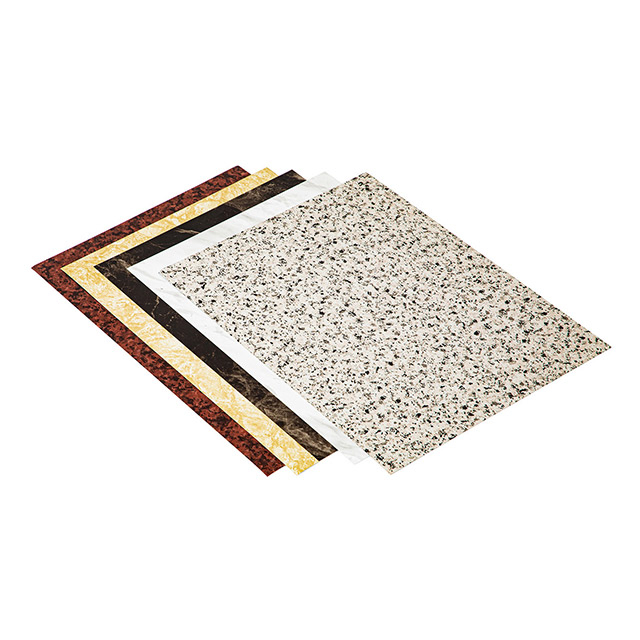
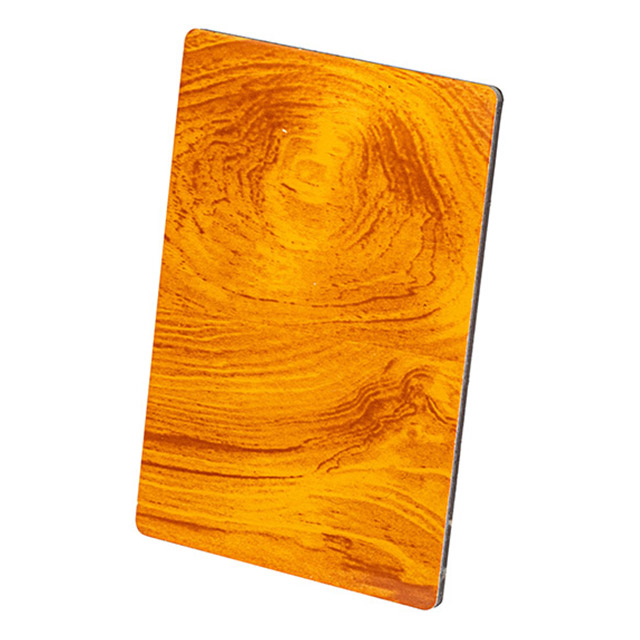
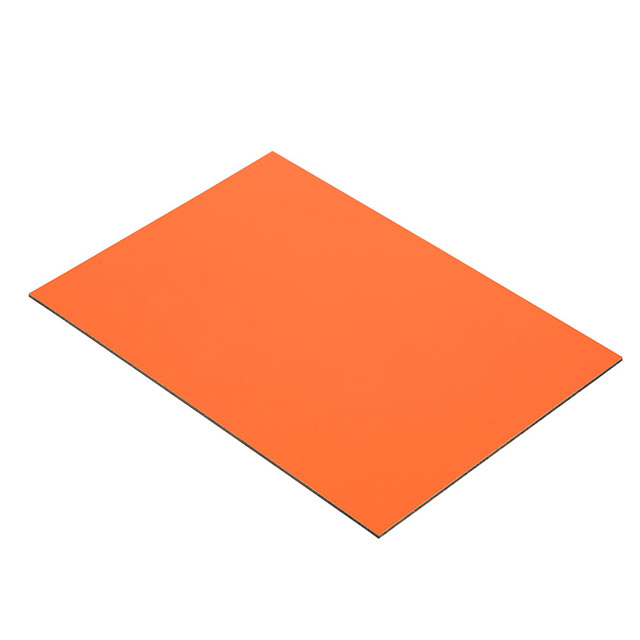
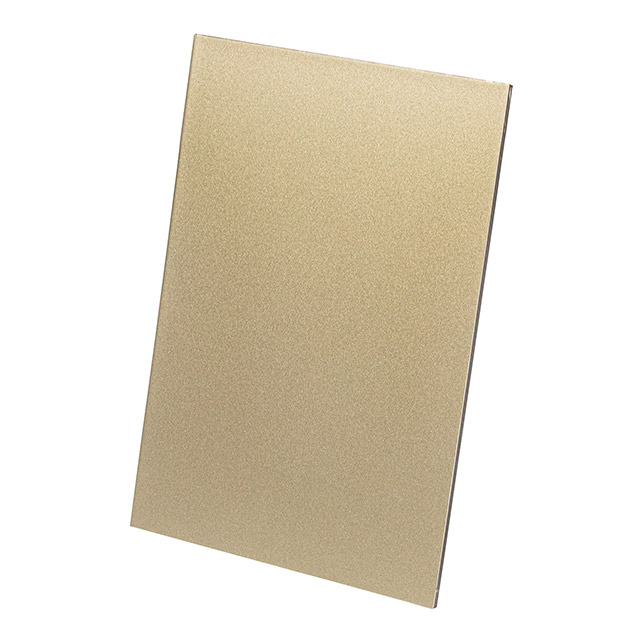
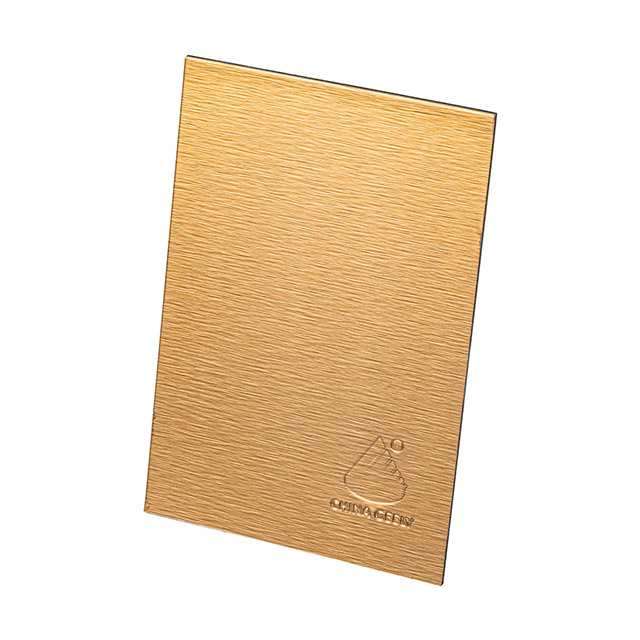
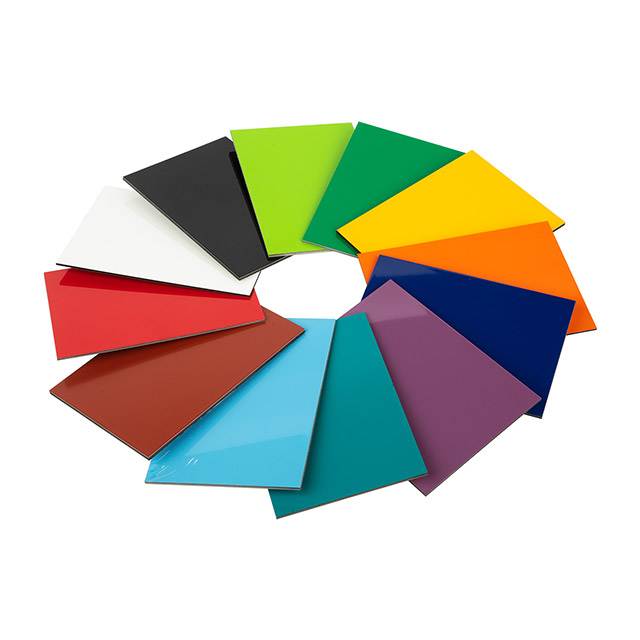
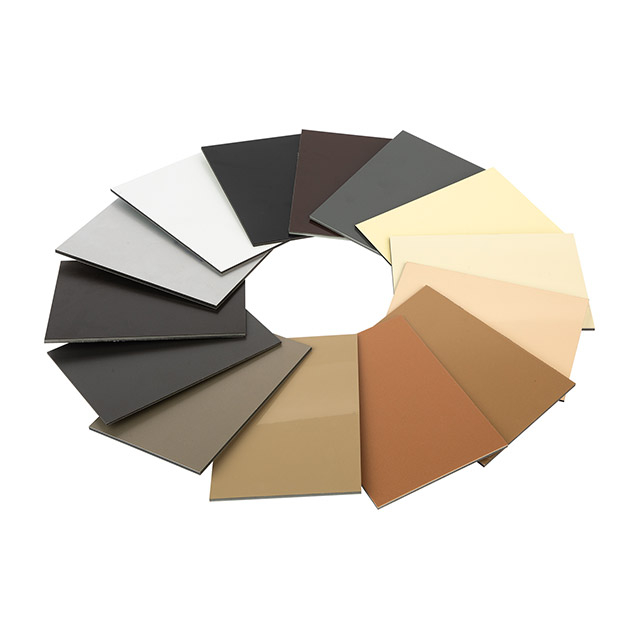
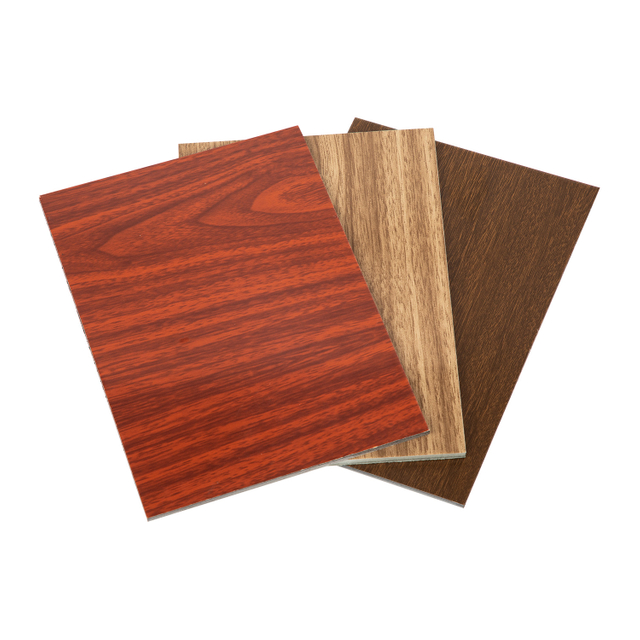
ACM comes in a variety of finishes, including metallic, matte, and textures that mimic natural materials like wood or stone. This aesthetic versatility allows designers and architects to create visually striking structures that can fit a wide range of design visions, from modern minimalist to more traditional looks.
The core material in ACM contributes to its ability to provide thermal and acoustic insulation. This makes it an excellent choice for buildings looking to improve energy efficiency or reduce noise transmission. By offering both insulation and a sleek finish, ACM helps create more comfortable indoor environments.
Property | ACM |
Weight | Lighter than solid aluminum due to core material |
Strength | Strong and durable, suitable for many applications |
Corrosion Resistance | Excellent, especially with aluminum outer layers |
Weather Resistance | Highly resistant to UV rays and moisture |
Insulation Properties | Good thermal and acoustic insulation |
ACM is widely used for exterior cladding and facades due to its combination of strength, weather resistance, and lightweight properties. Whether it's for a commercial building or a residential home, ACM panels can be used to create modern, functional, and aesthetically appealing facades. The material's ability to resist the effects of UV rays, moisture, and extreme temperatures ensures that it remains durable for many years, even in harsh climates.
The smooth surface of ACM makes it ideal for outdoor signage and advertising. It’s resistant to UV rays and weather, ensuring that signage remains vibrant and durable over time. This makes it a top choice for companies looking to display their brand on building exteriors.
Inside buildings, ACM is used for wall cladding, partitions, and other decorative elements. It can be customized to fit a variety of interior design styles, adding both functional and aesthetic value to spaces. Its easy maintenance also makes it a practical option for high-traffic areas.
In the transportation industry, ACM is used in vehicle body panels due to its light weight and durability. ACM helps improve fuel efficiency while maintaining the strength needed for durability and protection. Its resistance to the elements makes it ideal for use in trucks, buses, and trains.
ACM is generally more affordable than solid aluminum sheets, making it a cost-effective choice for large-scale applications. Its lightweight nature reduces transportation and installation costs, while its long-lasting durability means less money spent on maintenance and repairs.
In addition, ACM’s ability to mimic the look of more expensive materials like wood or stone allows for aesthetic flexibility without the high costs associated with these materials.
Due to its lightweight and flexible nature, ACM panels are easier to handle and install compared to heavier materials like steel or solid aluminum. This not only reduces the labor cost but also shortens project timelines, making ACM a great choice for time-sensitive construction projects.
ACM requires minimal maintenance compared to traditional materials. The aluminum layers provide a protective shield against corrosion, while the core material’s flexibility allows it to withstand impacts. As a result, ACM panels maintain their appearance and performance for many years, reducing the need for frequent repairs or replacements.
ACM is an environmentally friendly material, as it is made using recycled aluminum and is 100% recyclable. This makes it a sustainable choice for projects aiming to meet green building standards. Additionally, ACM panels can contribute to the energy efficiency of buildings, reducing the need for additional insulation.
The core material of ACM is essential in determining the panel’s performance. Two main options are commonly used: polyethylene (PE) for general applications and fire-resistant (FR) cores for environments that require higher fire safety standards. PE is a cost-effective choice for most projects, while FR cores are designed for areas where fire safety is critical, such as high-rise buildings or industrial applications. By selecting the appropriate core material, you can ensure your project meets the necessary durability and safety requirements.
ACM panels offer a variety of coating options to suit different needs. PVDF coatings are ideal for exterior applications, offering superior resistance to UV radiation, weather conditions, and pollutants. This makes them a great choice for facades and signage exposed to the elements. For interior applications or decorative uses, polyester coatings are more economical, providing vibrant colors and a range of finishes while still offering reasonable durability. The coating type chosen will directly affect both the lifespan and aesthetic quality of the material.
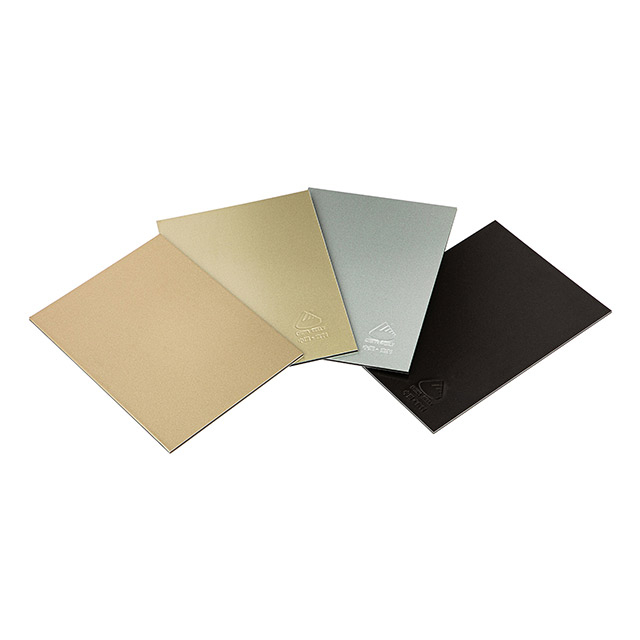
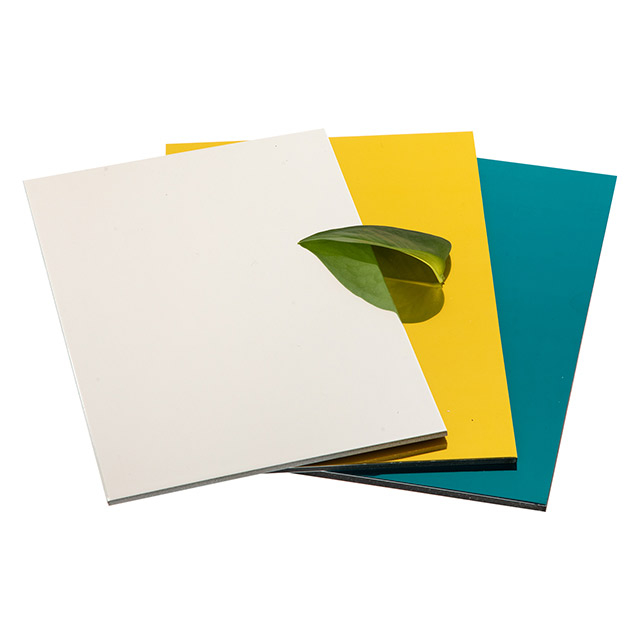
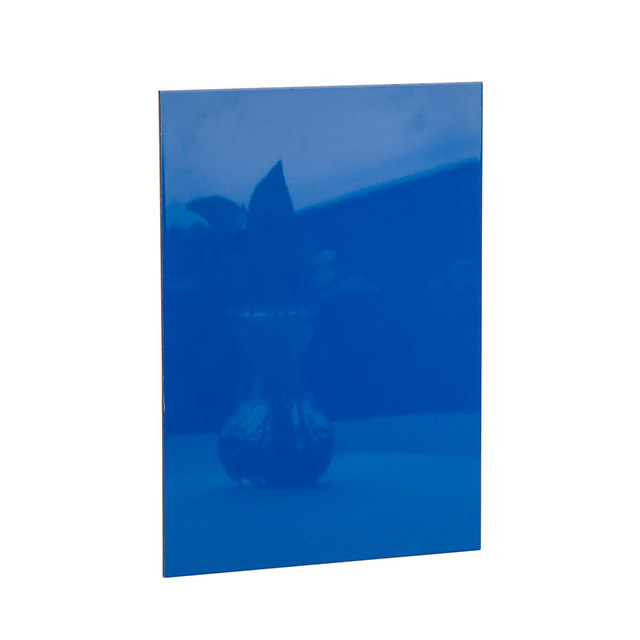
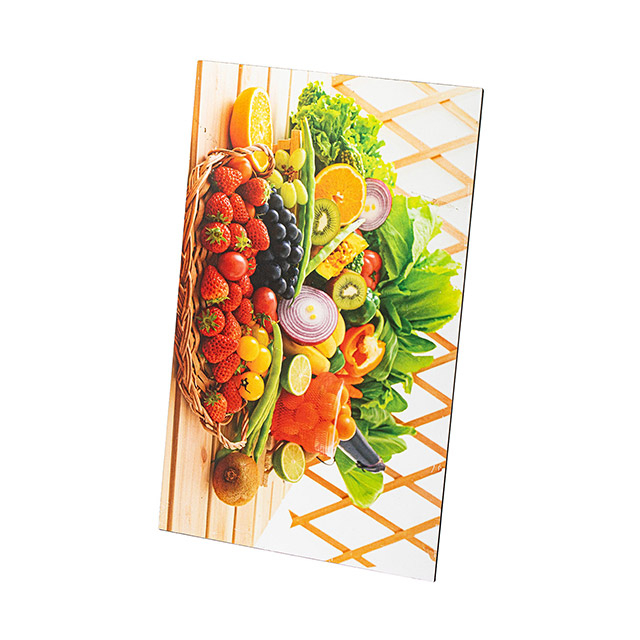
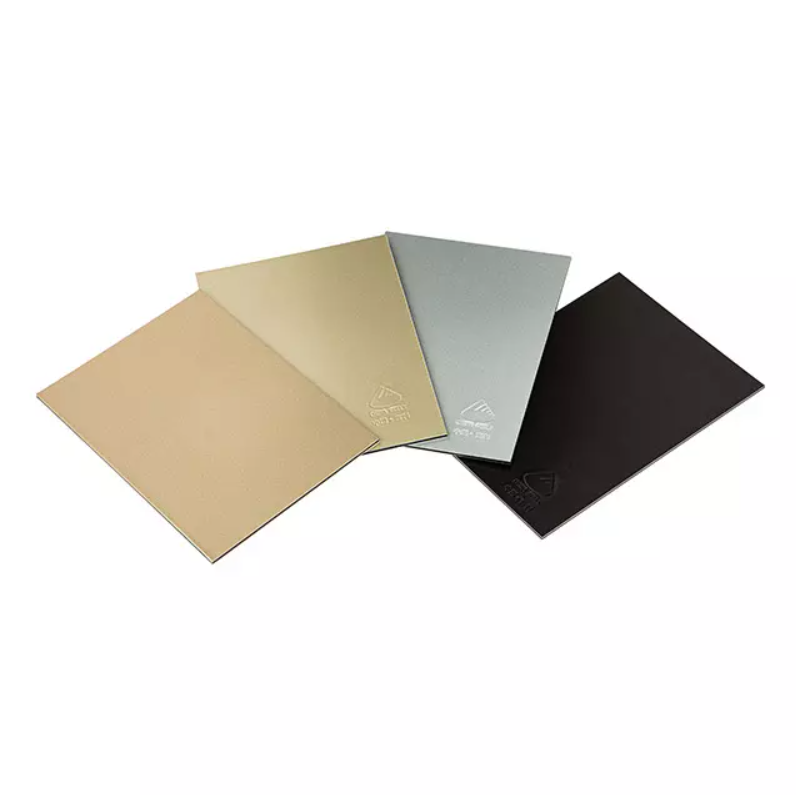
ACM panels are highly customizable, offering various colors, textures, and sizes. Whether you’re looking for a sleek, modern matte finish for interior designs or a glossy finish to make a striking impact on a building facade, ACM provides the flexibility to meet your specific design requirements. Customization options ensure that ACM panels can be tailored to fit the visual and functional needs of your project, from creating vibrant signage to matching a building’s aesthetic perfectly.
ACM is an eco-friendly material due to its recyclability. Both the aluminum sheets and the core material used in ACM panels can be processed and reused, contributing to reduced environmental waste. Aluminum itself is one of the most recyclable materials available, which means ACM can be recycled at the end of its lifecycle, further minimizing its environmental impact.
The production of ACM involves using less aluminum than solid aluminum panels, making it a more resource-efficient option. While the plastic core material used in ACM can have some environmental concerns, recent advancements in recycling processes are helping address these issues. By using less aluminum, ACM reduces resource consumption compared to traditional solid aluminum, making it a more sustainable choice for many applications.
ACM can help reduce energy consumption in buildings due to its insulating properties. The core material in ACM helps improve thermal insulation, which in turn helps maintain a more comfortable indoor temperature throughout the year. By reducing the need for additional heating and cooling, ACM can contribute to lowering energy costs and improving a building's energy efficiency.
ACM's durability and low-maintenance requirements provide long-term environmental benefits. With a lifespan of many years and minimal need for repairs or replacements, ACM helps reduce the frequency of material waste and the environmental impact associated with maintaining and replacing materials. The long-lasting properties of ACM make it a sustainable choice, ensuring both environmental and economic benefits for your projects.
Aluminum Composite Material (ACM) has transformed construction and design with its lightweight, durable, and versatile nature. Ideal for cladding, signage, and interior design, ACM offers both performance and visual appeal. Understanding its properties and applications helps you make informed decisions, ensuring your project meets both functional and aesthetic goals. Products from GEELY provide high-quality ACM solutions that deliver value and lasting results.
A: Aluminum Composite Material (ACM) consists of two aluminum sheets with a non-aluminum core, providing durability, strength, and flexibility for various applications.
A: ACM is commonly used for cladding, signage, interior design, and facades due to its lightweight, durability, and aesthetic versatility.
A: ACM is lightweight, cost-effective, durable, and resistant to corrosion, making it ideal for both exterior and interior applications.
A: Yes, ACM is generally more affordable than solid aluminum, as it uses less metal and offers cost savings in material, transportation, and installation.