Views: 0 Author: Site Editor Publish Time: 2026-06-10 Origin: Site
Modern commercial architecture demands building materials offering aesthetic versatility and structural resilience. Large-scale residential projects increasingly require lightweight facade solutions capable of enduring harsh environmental stresses. Architects, developers, and procurement teams face a critical challenge today. They must balance ambitious design goals against strict fire compliance and structural integrity requirements. Selecting the wrong building material often leads to catastrophic code failures or premature weathering. You need reliable ways to mitigate these risks effectively. Specifying the correct aluminum composite panel is vital for achieving these objectives. This guide moves beyond basic material definitions. We provide a rigorous framework for evaluating, specifying, and sourcing the right composite materials. You will learn how to navigate core compliance, assess installation risks, and audit suppliers thoroughly. Read on to master the specification process for your upcoming architectural projects.
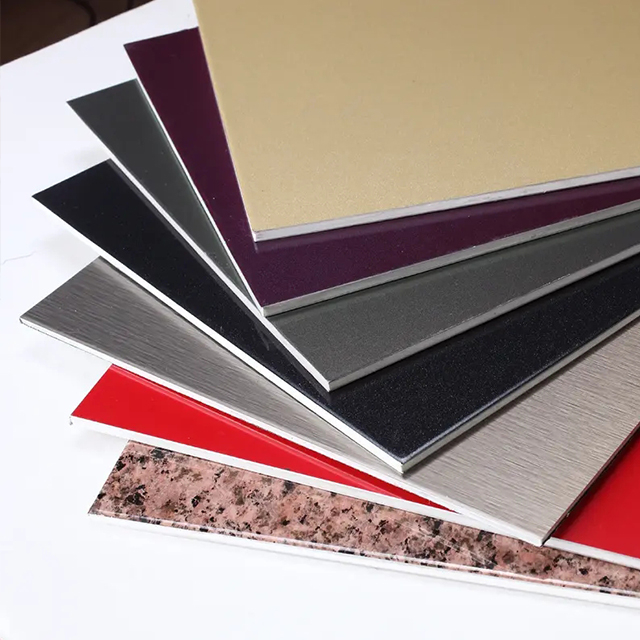
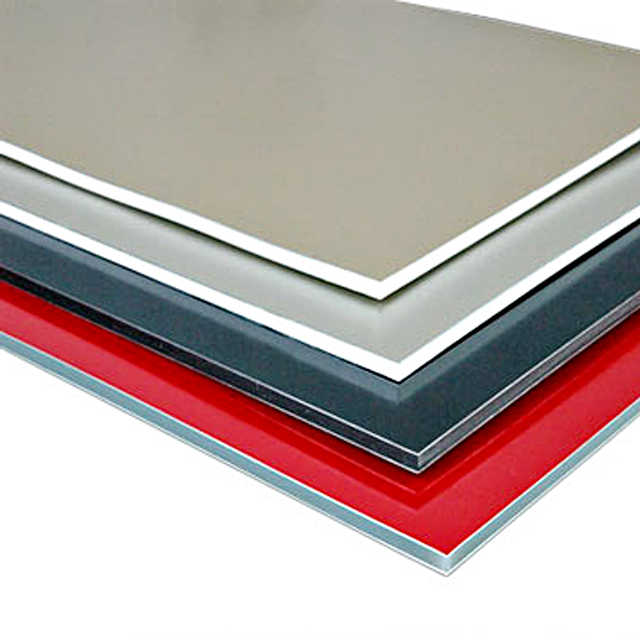
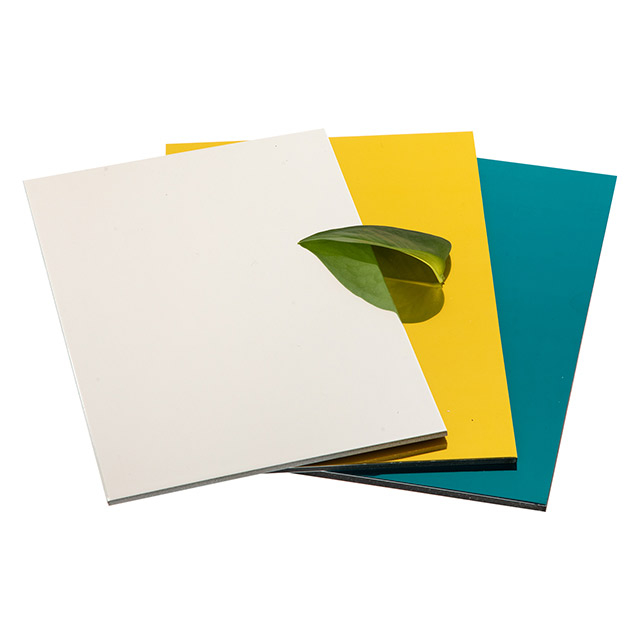
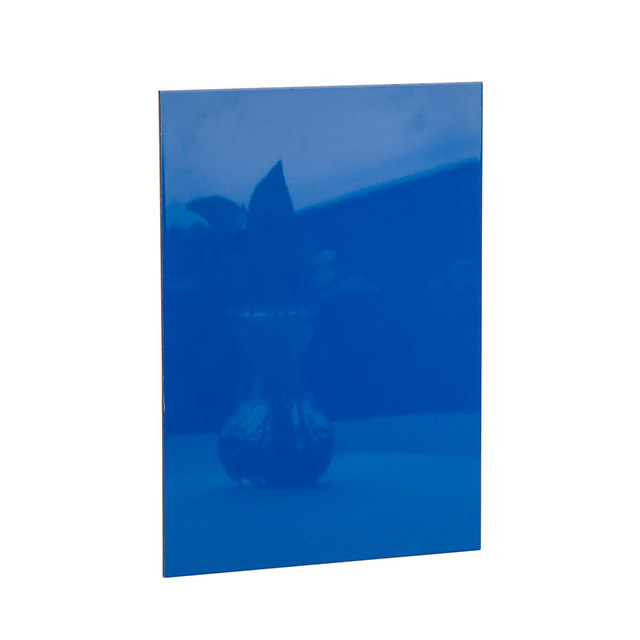
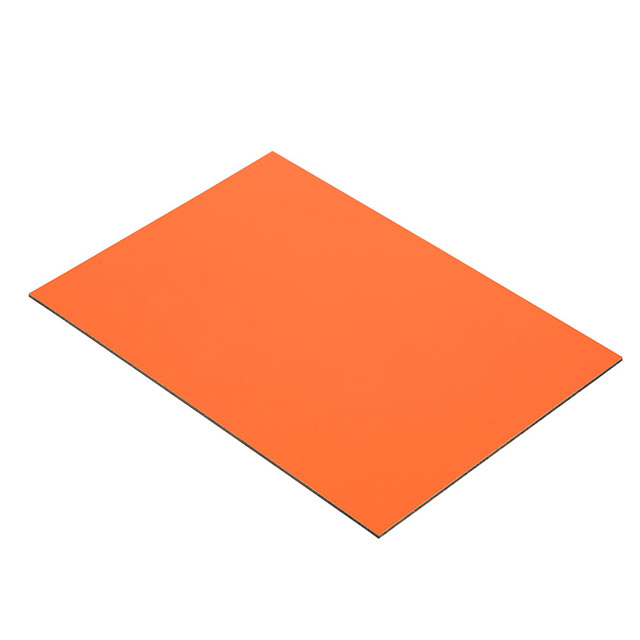
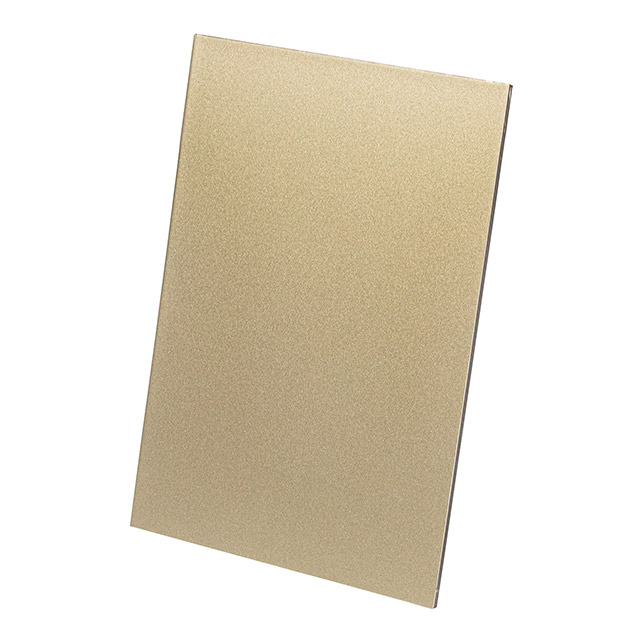
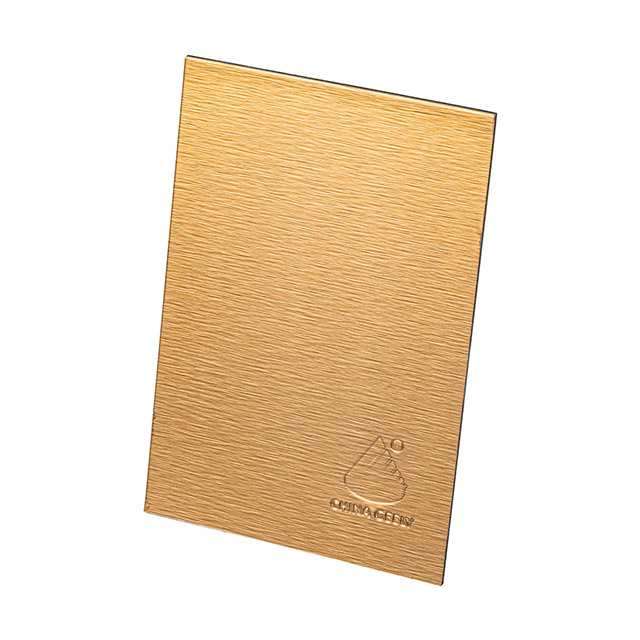
Aluminum composite panel is primarily specified for exterior applications requiring high strength-to-weight ratios, dimensional stability, and weather resistance.
Material compliance—specifically regarding core composition (FR vs. PE)—is the most critical evaluation metric in modern building codes.
Total project ROI depends heavily on selecting the correct installation system and protective coating (e.g., PVDF) to mitigate long-term maintenance costs.
Evaluating an ACM panel supplier requires assessing their batch-to-batch color consistency, warranty transparency, and local compliance certification.
Modern commercial facades rely heavily on lightweight materials to reduce dead loads on structural frames. Specifiers frequently choose exterior wall cladding to achieve this specific goal. This reduction in weight lowers structural framing requirements across the entire building. It also accelerates the overall installation timeline significantly. True success in exterior applications requires meeting three distinct criteria. First, you need long-term weatherproofing to protect the building envelope. Second, the cladding must integrate seamlessly alongside modern thermal insulation systems. Third, the material must deliver outstanding aesthetic longevity. UV exposure, heavy rain, and harsh temperature fluctuations degrade inferior materials quickly. High-quality panels resist these elements, keeping the building visually striking for decades.
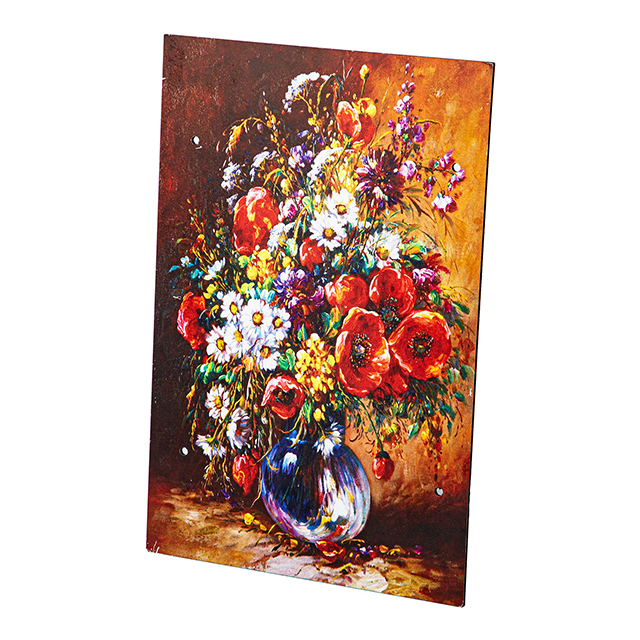
Retail network rollouts demand strict color matching across multiple geographic locations. Gas stations, auto dealerships, and fast-food chains rely heavily on this visual consistency. A recognizable brand identity requires standardized exterior materials everywhere. Corporate buyers specify these panels primarily for their exceptional color retention. The fundamental business value here centers on brand consistency. High resistance to UV degradation ensures brand colors remain vibrant year after year. Fading or chalking damages corporate identity. Reliable composite materials eliminate this risk entirely. They offer a pristine, flat surface ideal for printing, routing, and illuminated signage integration.
High-traffic public spaces require highly durable, easy-to-maintain surfaces. Airports, transit hubs, and large shopping malls use these panels extensively. You will often see them applied as column covers, elevator cabs, and suspended ceilings. The primary evaluation metrics for interior use differ slightly from exterior applications. Scuff resistance takes top priority. Thousands of daily visitors create constant wear and tear. Ease of cleaning is another major determining factor. Maintenance teams need surfaces resisting stains and smudges effortlessly. Finally, modular replacement capabilities matter greatly. If a luggage cart damages a column cover, facility managers must replace the individual panel quickly. The composite structure allows simple, fast swap-outs without disrupting the surrounding architecture.
Choosing the right ACP panel core dictates the safety and legality of your project. The industry categorizes cores based directly on their reaction to fire. You must understand these distinctions clearly before drafting any specifications.
PE (Polyethylene) Cores: These cores contain highly combustible thermoplastic materials. Most modern building codes restrict their use heavily in multi-story applications. They pose severe fire propagation risks on high-rise facades. Today, builders limit PE variants primarily to ground-level signage or single-story structures.
FR (Fire Retardant) Cores: These feature mineral-filled thermoplastic cores. Manufacturers design them specifically to resist flame spread. They offer a significant safety upgrade over standard PE cores. Mid-rise commercial buildings frequently utilize FR cores to meet regional safety mandates.
A2 (Non-Combustible) Cores: This represents the industry gold standard for high-rise exterior cladding. An A2 core contains up to 90% inorganic mineral compounds. It produces minimal smoke and prevents flame spread almost entirely. High-risk structures demand this exact level of protection.
Core Type | Material Composition | Combustibility Rating | Primary Application Scope |
|---|---|---|---|
PE (Polyethylene) | 100% Thermoplastic | Highly Combustible | Signage, Ground-level retail |
FR (Fire Retardant) | Mineral-filled polymer | Low Flame Spread | Mid-rise commercial buildings |
A2 (Non-Combustible) | ~90% Inorganic minerals | Non-Combustible | High-rise towers, Hospitals |
Specifying engineers must verify localized building codes relentlessly. Frameworks like the IBC (International Building Code) and NFPA 285 govern facade flammability. You cannot rely on assumptions when lives are at stake. NFPA 285 tests the entire wall assembly, not just the single panel. An FR core might pass standalone component tests but fail full assembly tests.
Best Practice: Always request independent, localized laboratory test certifications before specifying a core. Ensure the certification matches your exact wall assembly design.
Common Mistake: Value-engineering fire-rated panels down to standard PE variants to save budget. This creates immense liability risks. Substituting materials to cut corners compromises life safety and invalidates building insurance policies.
The protective coating determines how the panel ages. You must evaluate PVDF (Fluorocarbon), FEVE, and Polyester coatings. Each serves a distinct architectural purpose.
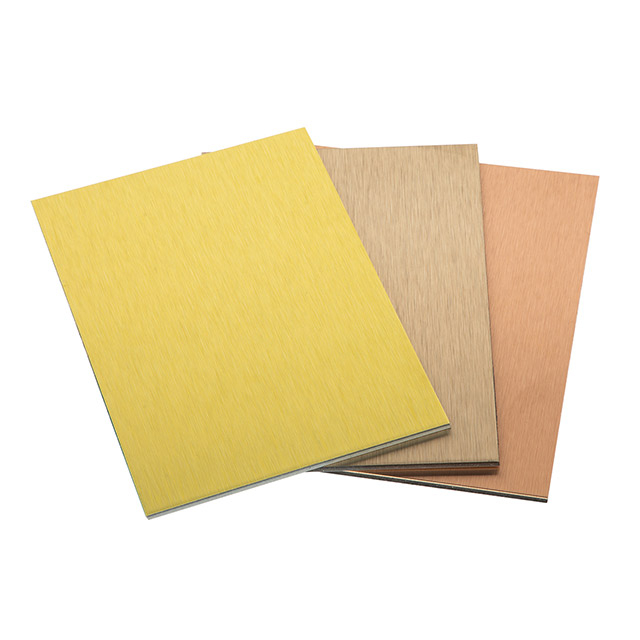
PVDF offers superior dirt resistance and remarkable UV stability. It repels airborne pollutants effectively, keeping facades looking pristine. High-rise exteriors require PVDF to prevent chalking over decades of intense sun exposure. FEVE coatings provide higher gloss retention and a wider color gamut. They work perfectly for vibrant corporate branding where visual pop matters. Polyester represents a sensible alternative for indoor use. It lacks the advanced UV resistance of PVDF. However, it performs exceptionally well in climate-controlled environments.
Matching the feature to the outcome is critical for project success. Specifying PVDF for an airport interior wastes financial resources unnecessarily. Conversely, specifying Polyester for a sun-drenched exterior guarantees premature fading and client dissatisfaction.
A premium ACM panel must endure severe environmental stresses across its lifespan. Evaluating peel strength reveals the exact bond quality between the aluminum skin and the interior core. Weak peel strength inevitably leads to delamination under extreme wind loads.
Fabrication flexibility also defines overall material quality. Installers must route, fold, and curve the panels on-site during installation. Poor-quality panels crack easily along the fold lines, exposing the core. High-quality materials allow complex geometric shaping. They achieve this without compromising the aluminum skin or cracking the protective coating. Always check the manufacturer's specified minimum bending radius. Do this before designing intricate, curved architectural elements.
Selecting the correct installation system dictates the facade's true longevity. You generally choose between two primary framing approaches.
Rout and Return / Cassette Systems: This method dominates high-end commercial architecture. Installers fold panel edges to create a three-dimensional cassette. This system offers concealed fasteners, creating a clean, uninterrupted aesthetic. It provides superior rainscreen capabilities. The design allows water to drain naturally behind the cladding, protecting the interior building envelope effectively.
Flat Stick / Face-Fastened Systems: This approach involves driving screws directly through the panel face into the sub-frame. It requires much less fabrication time. However, it relies heavily on exposed sealants to keep water out. Over time, sealants degrade naturally, increasing maintenance requirements significantly.
Field execution often introduces unexpected vulnerabilities. Pay close attention to these primary implementation risks during construction.
Thermal Expansion: Metal expands and contracts constantly with temperature changes. Failure to calculate expansion gaps leads to panel bowing or oil-canning. You must engineer sliding clips and adequate joint spacing to absorb thermal movement.
Galvanic Corrosion: Dissimilar metals react poorly together. A significant risk of structural failure occurs if the aluminum panel contacts incompatible metals like bare steel. Moisture acts as an electrolyte, accelerating corrosion. Always use isolation tape or compatible fasteners.
Sealant Degradation: Many contractors rely on cheap caulking rather than mechanical weatherproofing. UV rays break down basic sealants quickly. This leads to long-term moisture intrusion. Specify high-performance silicone sealants designed specifically for metal architecture.
Large-scale projects often unfold in staggered phases. Can the manufacturer guarantee large-batch color consistency for phased project rollouts? Color variation between batches ruins a facade's aesthetic appeal completely. Demand coil-coated aluminum from a single production run for your specific project. Audit the supplier's inventory capacity to ensure they can meet tight construction schedules without delays.
Never accept a warranty at face value. You must assess the fine print closely. Differentiate clearly between structural delamination warranties and finish/fade warranties. A supplier might offer a 20-year structural warranty but only a 5-year finish warranty. Ensure the warranty covers the specific climatic conditions of your project site, including coastal salt spray if applicable.
Trust requires rigorous verification. Demand independent, third-party laboratory results. You need concrete data for wind load resistance, fire behavior, and impact testing. Reputable suppliers publish their UL, Intertek, or ASTM test results willingly. If a supplier hesitates to provide full technical data sheets, look elsewhere immediately.
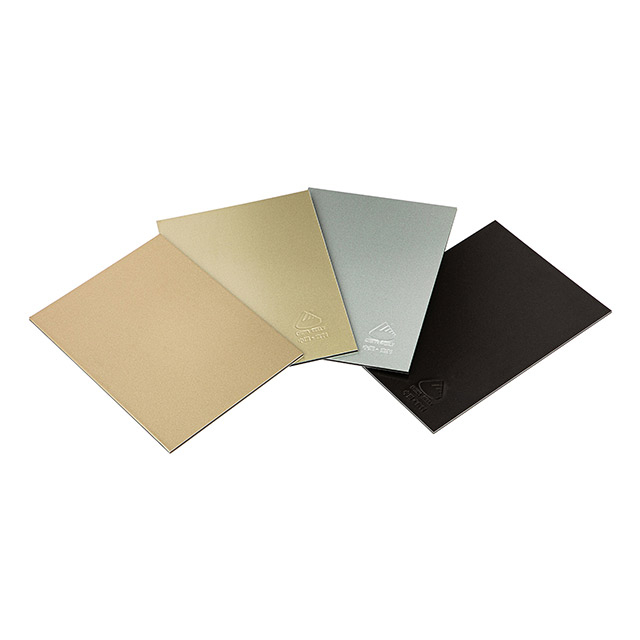
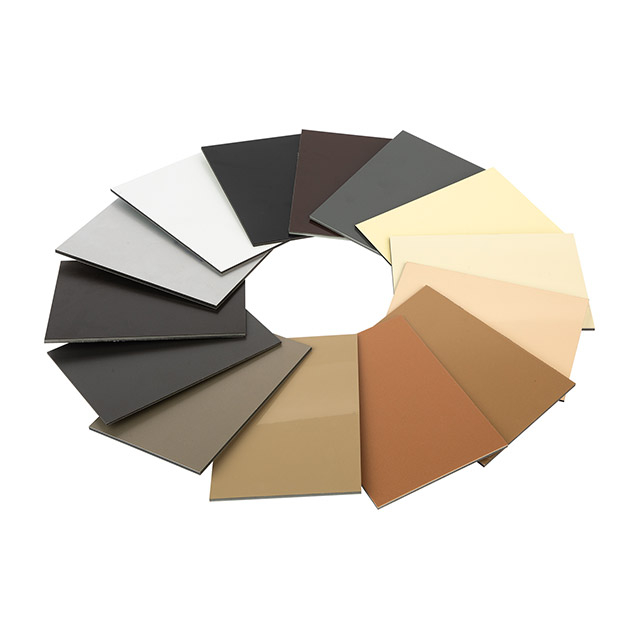
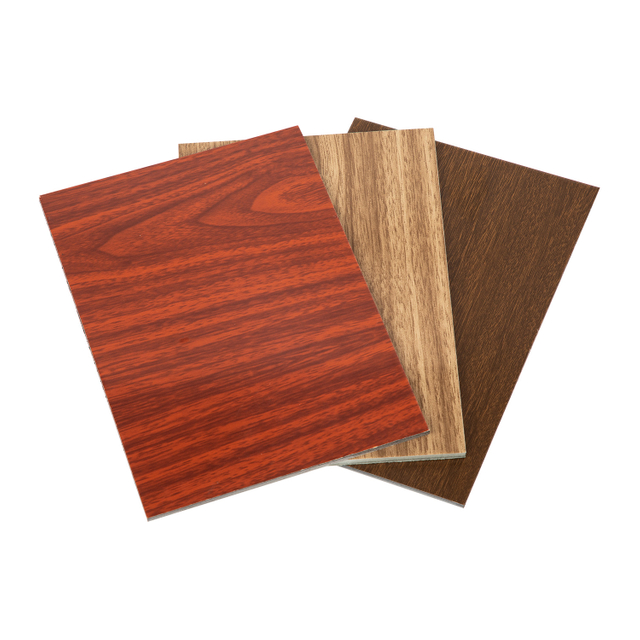
Finalizing a specification package requires careful due diligence. First, request physical samples to evaluate color accuracy and gloss levels under natural daylight. Second, review standard detail drawings to ensure compatibility with your chosen installation system. Finally, consult local code officials. Present your test data early in the design phase to secure swift pre-approval.
Aluminum composite panels offer unmatched design flexibility for modern architecture. However, you must specify them with rigorous attention to fire compliance and environmental suitability. We explored how core composition dictates life safety. We examined how coatings prevent aesthetic degradation. We also highlighted the critical installation risks contractors face on-site. Follow these steps to secure project success:
Verify building codes aggressively to ensure the panel core meets strict non-combustible standards.
Select surface coatings matching the specific environmental stresses of your project location.
Design installation systems accommodating thermal expansion and preventing galvanic corrosion.
Audit suppliers thoroughly on warranty transparency and independent third-party laboratory testing.
Successful adoption requires aligning the core type, coating, and fixing system with the project's specific lifespan and safety requirements. Consult with an architectural cladding specialist or request technical data sheets today. Aligning material capabilities with your specifications ensures a safe, stunning, and durable building facade.
A: High-quality panels easily last 20 to 30 years or more. Longevity depends heavily on the protective coating and environmental exposure. Premium PVDF coatings resist UV degradation and weathering, keeping the surface pristine. Harsh coastal or highly industrial environments may shorten this lifespan slightly if maintenance is neglected entirely.
A: The composite sandwich design provides significantly higher structural rigidity at a much lower weight. Solid aluminum requires thicker gauges to achieve the same stiffness, increasing material weight and framing requirements. Composite panels also prevent oil-canning and maintain exceptional flatness under heavy wind loads.
A: Yes, contractors frequently use it for building modernization and over-cladding. The lightweight nature of the panels minimizes additional dead loads on the existing structure. You must still perform a structural load analysis to ensure the original framing can support the new sub-system safely.
A: Maintenance remains relatively simple. You should perform annual low-impact cleaning using mild soap and water. Avoid abrasive brushes or harsh chemical solvents, as these strip the protective clear coat. Documenting this annual cleaning protocol is often required to maintain the validity of the manufacturer's finish warranty.