Views: 0 Author: Site Editor Publish Time: 2025-12-24 Origin: Site
Choosing between aluminium sheets and ACPs requires careful consideration. Cost, durability, and fire safety are key factors.
Both materials offer unique benefits, suited to different applications. In this article, we will compare them to help you make the right decision.
You’ll learn how each material performs and how to choose based on your project’s needs. Learn more about our products at GEELY.
Aluminium sheets are flat, thin pieces of metal made entirely from aluminium alloy. These sheets are known for their durability, lightweight nature, and corrosion resistance. They are available in various thicknesses and are often used in construction, transportation, and manufacturing due to their versatile properties.
Aluminium sheets are renowned for their durability. They are highly resistant to extreme weather conditions, which makes them ideal for outdoor applications. Their lightweight property, despite their strength, makes them easier to handle and install than heavier metals like steel. Additionally, aluminium sheets are fire-resistant, making them ideal for applications that require high fire safety standards. Moreover, aluminium sheets possess exceptional corrosion resistance, making them perfect for use in coastal or industrial environments where other materials might rust.
Aluminium sheets are widely used in cladding and facades for both residential and commercial buildings. They are also used in roofing, especially in industrial and commercial projects. Additionally, they are applied in vehicle body parts and other areas requiring a combination of strength, lightweight, and resistance to wear and tear.
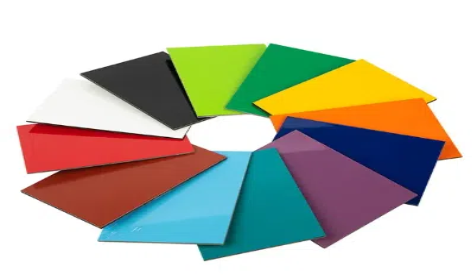
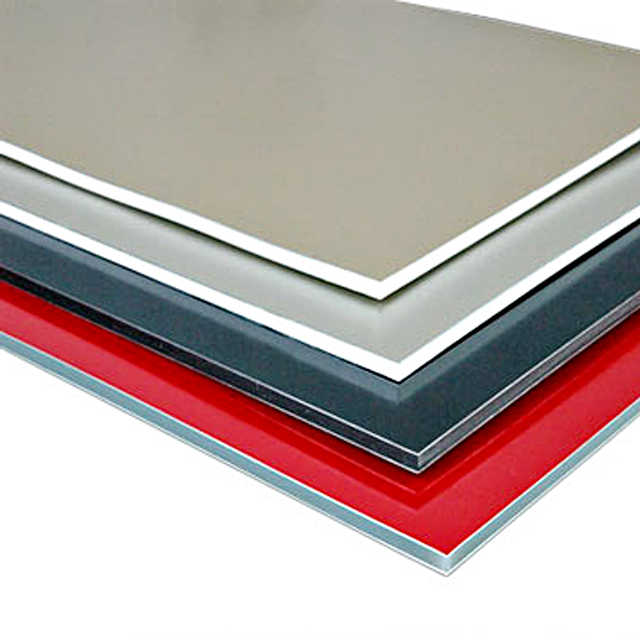
Aluminium Composite Panels (ACPs) are composed of two thin layers of aluminium enclosing a non-aluminium core, typically made of polyethylene or mineral-filled materials. This construction offers both durability and flexibility while reducing the overall weight.
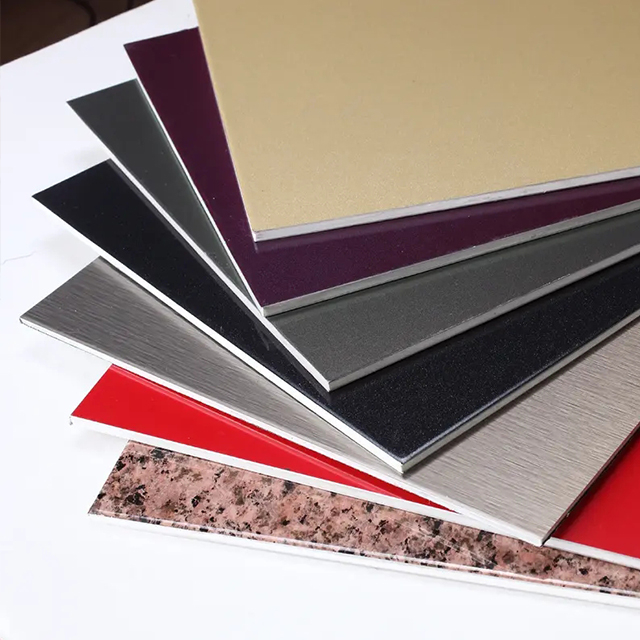
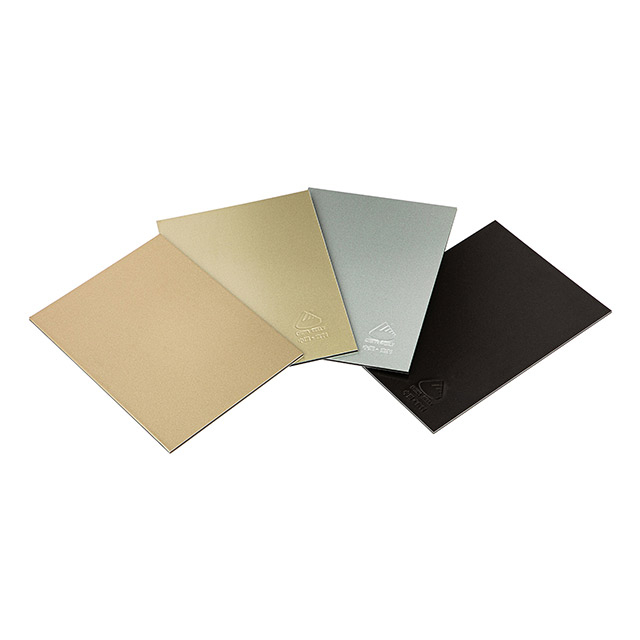
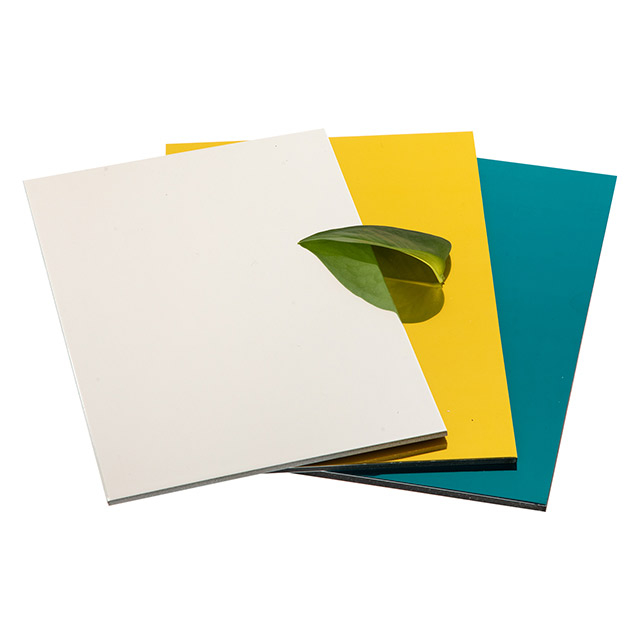
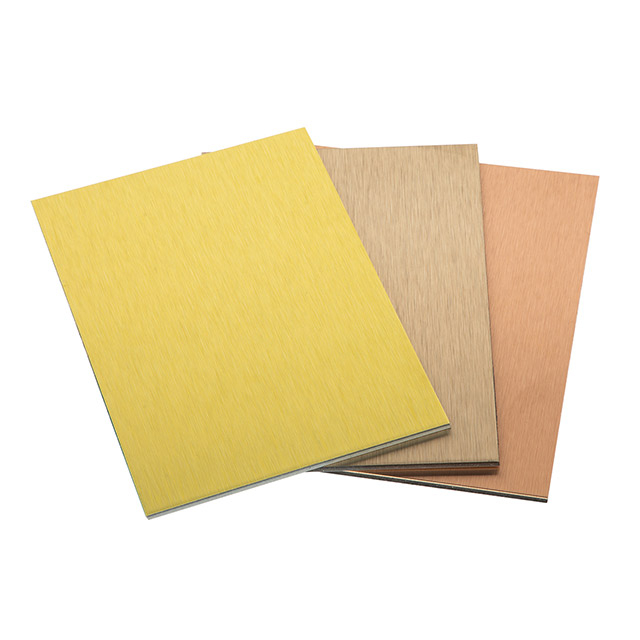
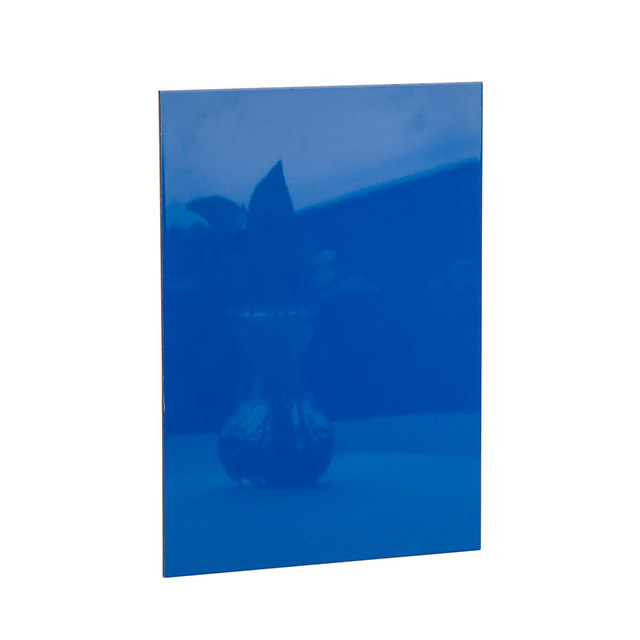
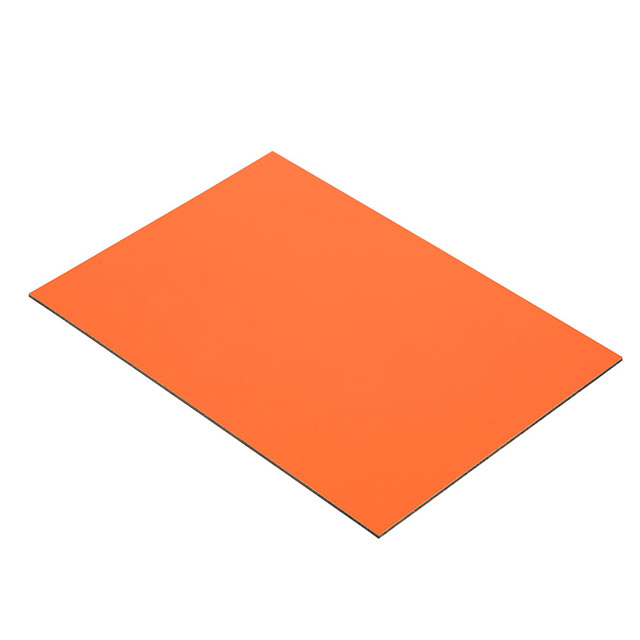
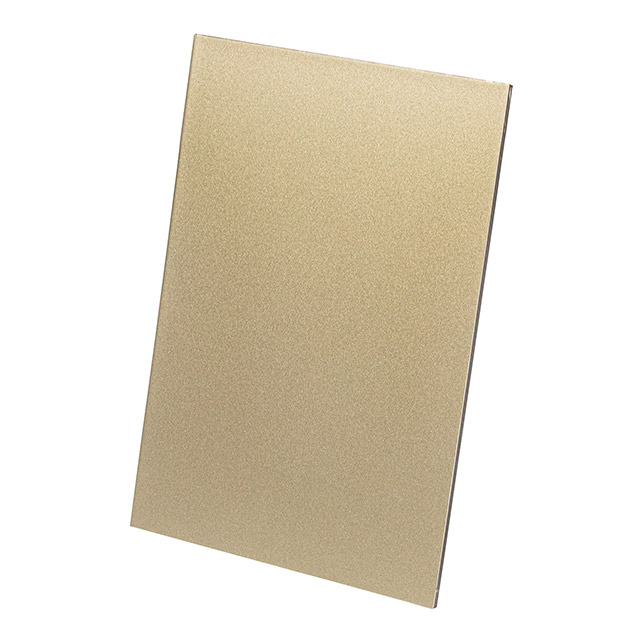
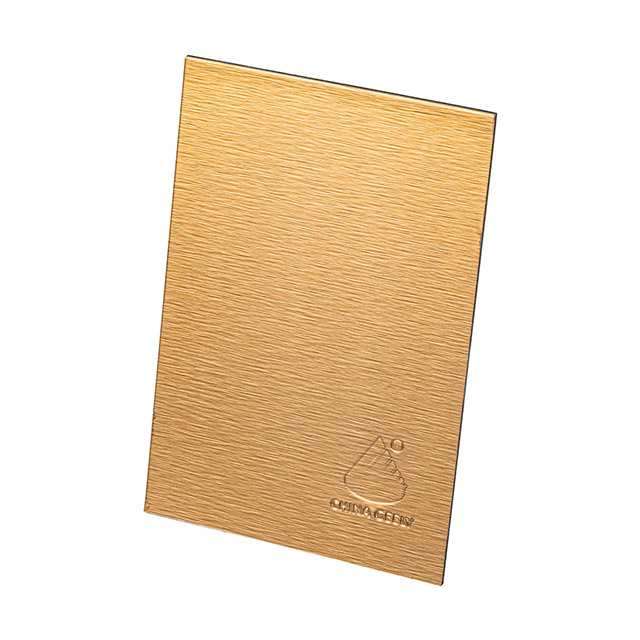
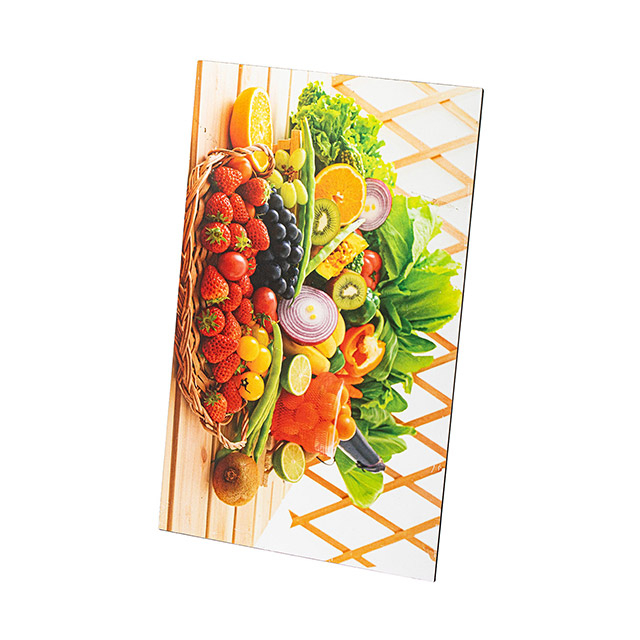
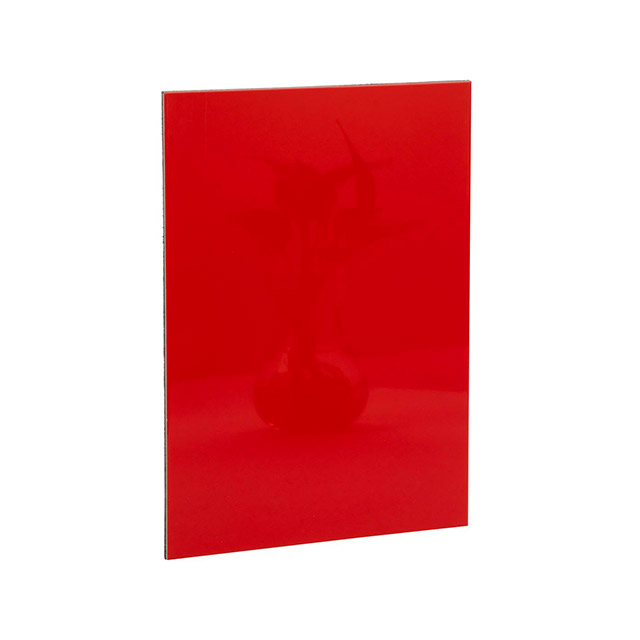
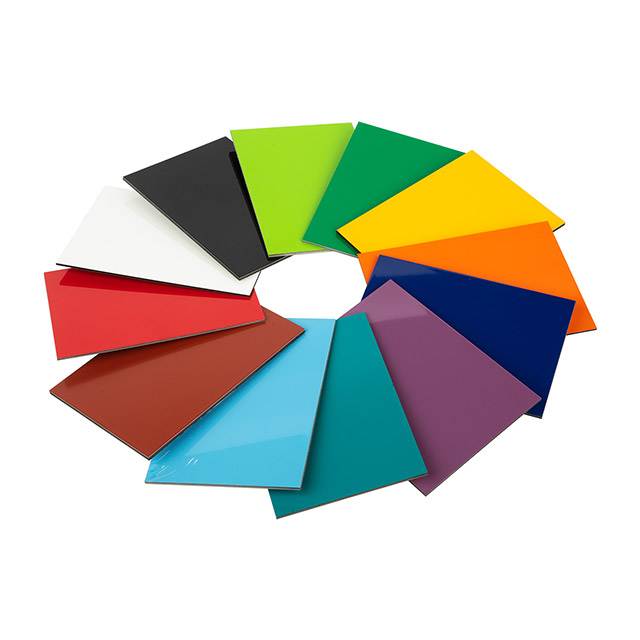
ACPs stand out for their lightweight design, as their composite nature makes them lighter than solid aluminium sheets. This characteristic makes them easier to transport, handle, and install, which is crucial for large-scale projects such as high-rise buildings, where weight can be a concern. The aesthetic flexibility of ACPs is another major advantage. These panels are available in a wide range of finishes, textures, and colors, making them the go-to choice for architects who want to create modern, eye-catching designs. Moreover, ACPs are cost-effective compared to solid aluminium sheets. Their composite structure makes them more affordable without compromising on quality. In addition, the thermal insulation provided by the non-aluminium core improves the energy efficiency of buildings. ACPs also offer ease of maintenance, as their smooth surface resists dirt and grime, requiring only periodic cleaning to maintain their appearance.
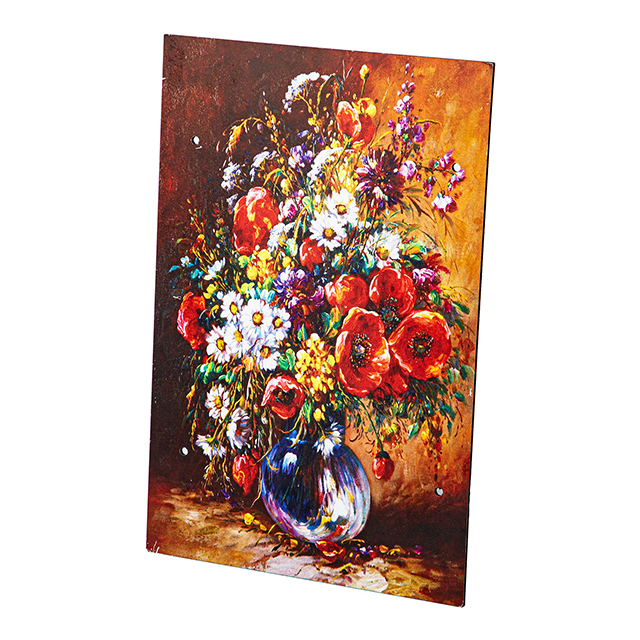
ACPs are commonly used in exterior cladding, providing both aesthetic appeal and functional protection for buildings. They are also widely used in interior wall panels, signage, and other architectural applications. Their ease of maintenance makes them ideal for low-maintenance commercial and residential buildings.
One of the most notable differences between ACPs and aluminium sheets is their weight. ACPs are significantly lighter due to their core structure, making them easier to transport, handle, and install. This is particularly beneficial for large-scale projects such as high-rise buildings, where weight can be a concern. In contrast, aluminium sheets are heavier, though still lighter than other metals like steel. They may require more effort and precision during installation, especially when dealing with thicker sheets.
In terms of durability, aluminium sheets outperform ACPs. Solid aluminium sheets are highly resistant to impact, corrosion, and physical damage, making them ideal for industrial applications and areas that experience extreme weather. They also have a longer lifespan, often lasting decades with proper maintenance. ACPs, while durable, are not as strong as solid aluminium sheets. The core material in ACPs is more prone to damage under high-impact conditions, though fire-resistant cores have improved the performance of ACPs in certain areas.
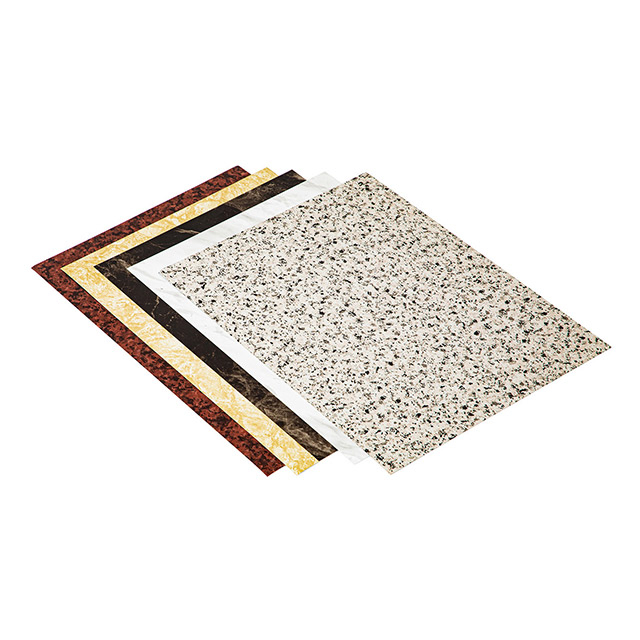
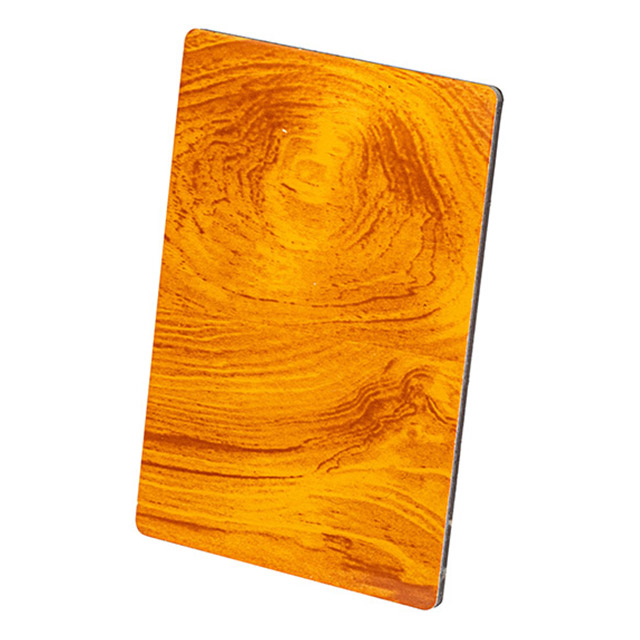
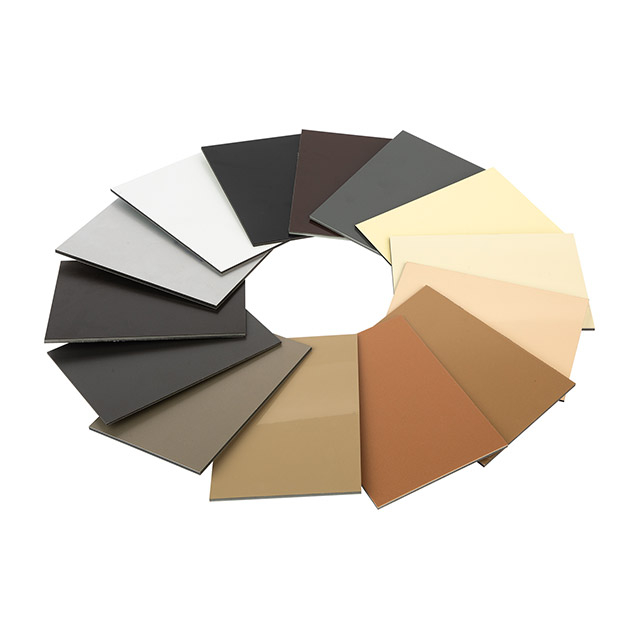
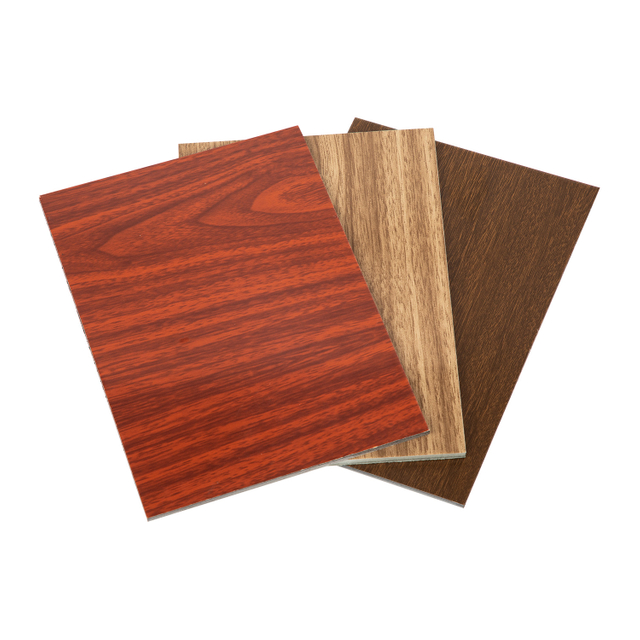
When it comes to design flexibility, ACPs have a clear advantage. They are available in a wide range of finishes, including metallic, wood grain, and even stone-like textures. This versatility allows architects and designers to experiment with various looks, making ACPs a popular choice for modern construction. Aluminium sheets, on the other hand, are limited in terms of finishes and are often used for industrial or minimalist designs that emphasize strength and simplicity.
Both materials offer fire-resistant properties, but there is a significant difference in their performance. Aluminium sheets are non-combustible, making them an ideal choice for projects where fire safety is paramount. They do not release harmful gases or smoke in the event of a fire, making them a safer option for high-rise buildings or areas with strict fire safety regulations. ACPs, particularly those with a polyethylene core, are less fire-resistant. However, fire-retardant versions with mineral cores have been developed to meet stringent fire safety standards.
ACPs are generally more affordable than aluminium sheets, making them an attractive option for projects with budget constraints. The cost-effectiveness of ACPs comes from the fact that they use less aluminium due to the core material, which lowers the overall material costs. Solid aluminium sheets are more expensive due to the higher amount of aluminium required in their production. However, their long-term durability may justify the higher upfront cost in certain applications.
Property | Aluminium Sheets | Aluminium Composite Panels (ACPs) |
Weight | Heavier, more robust | Lighter, easier to handle and install |
Durability | Stronger, more impact-resistant | Durable, but more prone to damage |
Corrosion Resistance | Excellent resistance to rust and corrosion | Good, but depends on core quality |
Fire Resistance | Non-combustible, ideal for fire safety | Varies, polyethylene core is flammable; fire-resistant versions available |
Cost | Higher upfront cost | More affordable, especially for large projects |
Design Flexibility | Limited finishes (powder coating, anodizing) | High flexibility with various finishes, textures, and colors |
Thermal Insulation | Lower insulation properties | Better insulation due to core material |
When considering weather resistance, solid aluminium sheets are superior. Their robustness allows them to withstand harsh environmental conditions such as strong winds, rain, snow, and salt exposure in coastal areas. ACPs, while resistant to many weather conditions, are not as impact-resistant and may require additional reinforcement in areas with extreme weather.
ACPs offer better thermal insulation and acoustic performance than solid aluminium sheets. The core material in ACPs provides insulation, helping to maintain energy efficiency in buildings. This is particularly useful in energy-efficient buildings that prioritize temperature control and noise reduction. Aluminium sheets, while strong and durable, do not provide the same level of insulation, and additional layers may be needed for energy-efficient projects.
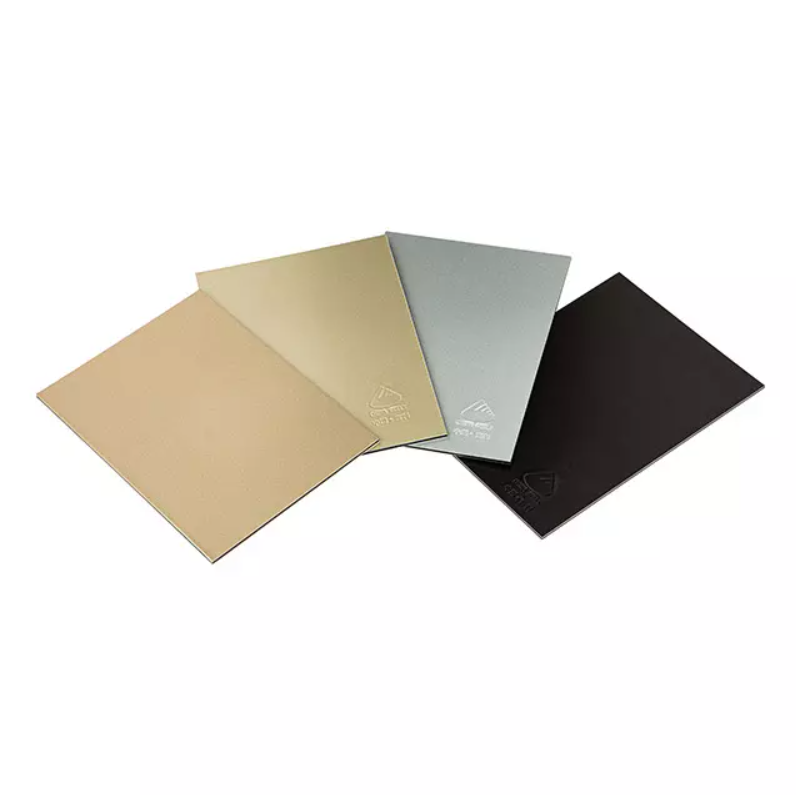
Both materials are relatively low-maintenance, but there are differences in their upkeep. ACPs are very easy to clean and maintain due to their smooth, non-porous surface. A simple wash with water is often enough to remove dirt and grime. In contrast, aluminium sheets may require occasional polishing or reapplication of protective coatings, particularly in harsh environments. Regular checks for dents or scratches are also recommended.
Solid aluminium sheets are known for their long lifespan, often exceeding 50 years if properly maintained. They are particularly suited for long-term projects that demand durability and resistance to the elements. ACPs, while durable, generally last between 20 to 30 years, depending on the environment and maintenance. This shorter lifespan may make ACPs more suitable for projects with a shorter duration or for designs that may need to be updated periodically.
Feature | Aluminium Sheets | Aluminium Composite Panels (ACPs) |
Maintenance Frequency | Requires occasional polishing and coating reapplication | Easy to clean with periodic washing |
Longevity | 50-60 years with proper maintenance | 20-30 years, depending on environmental conditions |
Vulnerability to Damage | Less prone to dents and scratches | More prone to dents, especially with polyethylene core |
Environmental Impact | Fully recyclable, energy-efficient recycling | Difficult to recycle due to mixed materials (core) |
Both ACPs and aluminium sheets are recyclable, which contributes to sustainability in construction. However, the recyclability of ACPs depends on the type of core material. While aluminium sheets are fully recyclable and save energy in the recycling process, the core material in ACPs, especially those with polyethylene cores, makes recycling a bit more complex. It’s important to consider the environmental footprint of your materials and make informed decisions to support sustainability goals.
ACPs are generally easier to install due to their lighter weight and the simplicity of handling. This can significantly reduce labour costs, especially in large projects. Aluminium sheets, being heavier, may require more skilled labor and more time for installation, which can increase overall project costs. Therefore, the choice of material can affect both the initial and long-term labour expenses associated with the project.
The choice between aluminium sheets and aluminium composite panels depends on your project's needs. If you prioritize lightweight materials, design flexibility, and cost-effectiveness, ACPs are the ideal choice. They’re perfect for cladding, signage, and interior design.
Solid aluminium sheets are better for projects requiring strength, durability, and fire resistance. They excel in high-performance environments.
Both materials offer unique advantages. GEELY products provide great value with durable and versatile solutions for various projects.
A: Aluminium sheets are solid, strong, and durable, ideal for high-impact applications. Aluminium composite panels (ACPs) are lightweight, flexible, and cost-effective, perfect for design flexibility and aesthetic applications.
A: Aluminium composite panels are typically better for cladding due to their lightweight design and variety of finishes. However, if durability and fire resistance are critical, aluminium sheets may be the better choice.
A: Yes, aluminium composite panels are generally more affordable than aluminium sheets due to their composite structure, making them a popular choice for large-scale projects.
A: Yes, aluminium composite panels are widely used for exterior cladding, providing durability, design flexibility, and ease of installation. However, their performance depends on the core material used.