Views: 0 Author: Site Editor Publish Time: 2026-10-29 Origin: Site
For signage fabricators and distributors, project profitability hinges entirely on predictable material delivery schedules. Delayed panels consistently translate to stalled site installations. These delays often trigger severe financial penalties. Misjudging a supplier’s actual production capability leads to erratic delivery timelines. You face the highest risks during peak construction seasons. Massive commercial rollout campaigns also strain supply chains heavily. Unverified factory promises frequently disrupt tight project deadlines.
We provide procurement teams a concrete framework for accurately evaluating manufacturer capacity. You will understand exactly how standard versus custom specifications impact final delivery dates. Ultimately, you will learn how to secure highly reliable supply chains. Predictable deliveries ensure your business remains profitable and competitive.
A manufacturer’s active production lines and raw material inventory directly dictate your signage aluminum composite panel lead time.
Custom color matching and non-standard panel sizes typically extend lead times by 2–4 weeks compared to standard stock orders.
Evaluating a supplier requires looking beyond "claimed" capacity to actual operational metrics: shifts run, coating line availability, and QA bottleneck management.
Phased ordering and forecasting agreements (blanket POs) are the most effective strategies to mitigate lead time risks on high-volume commercial signage rollouts.
Factories operate continuous thermal lamination lines to manufacture panels. These massive machines directly determine daily square-meter output. Single-line factories create inherent single-point-of-failure risks. If one machine breaks down, production stops completely. Your critical project materials sit unfinished on the factory floor. You cannot afford such delays during major branding rollouts. Multiple active lines provide essential mechanical redundancy. Manufacturers can quickly shift your order to another working machine. They balance urgent requests effectively across different production lines. This flexibility guarantees much more predictable delivery schedules.
You must also evaluate in-house coil coating capabilities versus outsourced painting. Manufacturers running in-house color coating offer vastly superior timeline stability. They apply PVDF or PE paints directly inside their own facilities. Relying on third-party coil coaters introduces uncontrollable external delays. Factory A must wait for Factory B to finish painting. Transporting coils between facilities wastes valuable days. In-house control removes this dangerous external bottleneck entirely. The supplier dictates the exact schedule from start to finish.
Raw material buffers represent another crucial infrastructure metric. A supplier's inventory of raw aluminum coils cushions against global supply chain shocks. Global shipping delays frequently disrupt aluminum availability. Top-tier manufacturers maintain massive stockpiles of raw materials. They also store abundant polyethylene (PE) core granules. Some keep vast reserves of fire-retardant (FR) core minerals. Robust inventory ensures they can start your production immediately. They never wait for raw material ships to arrive at port.
Standard panel specifications always move through production much faster. Standard thicknesses like 3mm and 4mm dominate the signage market. Standard widths like 1220mm and 1500mm run almost constantly. Factories process these common configurations without lengthy setup delays. They keep machinery calibrated for these exact dimensions daily. Buyers can expect rapid turnaround times for standard stock. Typical lead time expectations fall between 10 to 15 days. You can secure standard signage ACP quickly for urgent projects.
Table 1: Lead Time Comparison for Different Specifications
Specification Type | Typical Lead Time | Primary Bottleneck |
|---|---|---|
Standard Colors & Dimensions | 10 to 15 days | General line availability |
Custom Corporate Colors | 3 to 5 weeks | Lab matching & line changeover |
Specialty Finishes (Mirror/Brushed) | 4 to 6 weeks | Specialized protective films & curing |
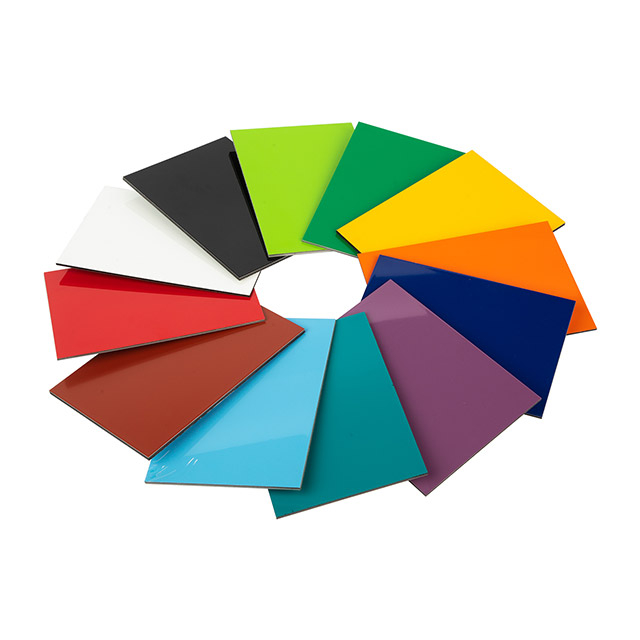
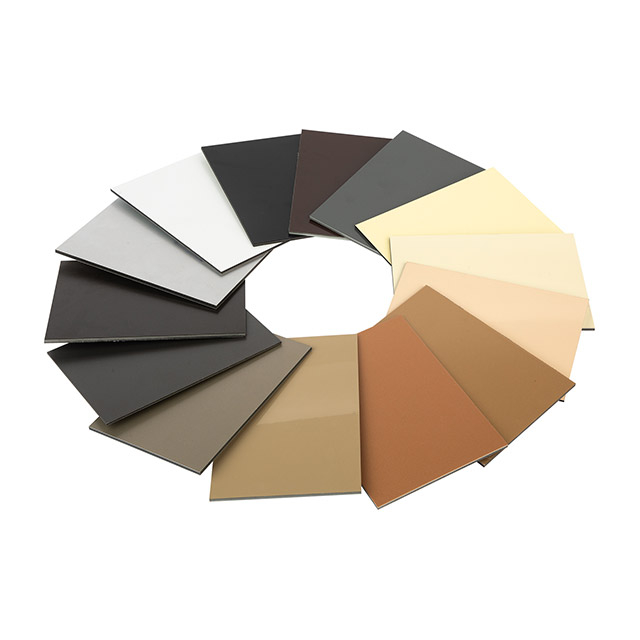
Custom corporate colors require complex batch matching procedures. This specific color-matching phase involves careful chemical formulation. Lab technicians mix specific pigments to match your brand exactly. They produce small lab samples for client approval. You must review and approve these physical samples before mass production. Once approved, the factory requires dedicated line setup time. Workers must clean the coating rollers entirely before applying new paint. This preparation process adds 1 to 3 weeks to your schedule.
We must highlight the absolute necessity of Minimum Order Quantities (MOQs). Factories enforce MOQs to justify expensive line changeovers. Small custom runs simply waste too much production time. Manufacturers lose money stopping machines for tiny custom orders.
Specialty finishes demand extra care during the production cycle. Brushed aluminum and mirror surfaces need delicate handling procedures. High-gloss finishes require extended curing periods inside the ovens. Factories apply specialized, thicker protective films over these fragile surfaces. These careful processing steps naturally add several days to production.
Buyers must strongly differentiate between nameplate capacity and actual utilization. Sales brochures often highlight theoretical maximum annual output numbers. These inflated numbers mean very little during a mid-summer order rush. Guide your procurement team to ask for actual operating shifts. Does the factory run full 24/7 continuous operations? Do they only run a standard 8-hour shift five days weekly? Actual operating hours dictate real-world material availability.
You must assess internal factory bottlenecks very carefully. Fast extrusion speeds mean nothing in isolation. Factories need extremely long cooling zones to process panels properly. Panels must cool gradually before reaching the cutting station. Cutting hot panels causes warping and severe edge deformation. Adequate cooling space represents a massive capacity indicator.
Reliable capacity also includes dedicated time for Quality Control (QC) protocols. Technicians must perform rigorous peel-strength testing on every batch. They verify color consistency using advanced digital spectrometers. Factories promising impossibly short lead times often skip these crucial steps. Skipping QC leads to defective panels arriving at your installation site. Your overall project timeline suffers when you must return defective materials.
Evaluate the supplier's true surge capacity capabilities. Ask how they handle sudden, massive volume spikes. A major retail rebranding rollout requires immense extra bandwidth. A good manufacturer absorbs this volume smoothly. They scale up operations without disrupting existing client orders. You need total assurance regarding your aluminum composite panel orders. Consistent suppliers protect your supply chain during these chaotic industry spikes.
Strategic order structuring prevents unexpected delays before production even begins. Smart procurement teams use specific contractual agreements to secure materials. These methods optimize factory efficiency while protecting your project deadlines. We recommend implementing three distinct order management strategies.
Forecasting and Blanket Orders: Sharing quarterly projections yields massive return on investment. You allow your manufacturer to lock in raw material allocations early. They purchase aluminum coils specifically reserved for your future projects. This proactive step eliminates raw material shortages entirely.
Split Shipments: Producing massive bulk orders strains your warehouse space. Split shipments help balance inventory holding costs perfectly. You can negotiate staged, weekly deliveries smoothly. For example, produce 10,000 square meters today. Ship them in 2,500 square meter batches weekly. Your warehouse remains uncluttered.
Buffer Stock Agreements: Top-tier manufacturers sometimes offer warehousing for finished panels. Evaluate suppliers offering these highly beneficial buffer stock agreements. This guarantees just-in-time (JIT) delivery for your recurring corporate accounts. You avoid stockouts completely while maintaining excellent corporate cash flow.
Implementing these strategies requires transparent communication between both parties. You must trust your manufacturing partner implicitly. Clear forecasting eliminates the panic of last-minute rush orders. Factories appreciate predictable schedules just as much as buyers do. Strong partnerships always yield better pricing and priority scheduling.
Speed can easily ruin material quality if managed improperly. Rushing the thermal bonding process frequently leads to catastrophic delamination. Delamination remains the absolute most fatal flaw for exterior signage. The aluminum skin physically separates from the plastic core. Panels split apart when factories shortcut the necessary cooling phases. They also fail when heating elements run too fast. You will face massive replacement costs repairing delaminated corporate signs.
Rushing the roller-coating line creates highly inconsistent coating thickness. The line applies uneven paint when moving at maximum speed. This causes highly visible color variations across different panel batches. One panel looks slightly darker than the adjacent panel. Corporate clients will reject these mismatched signs instantly. Brand guidelines demand absolute color uniformity across all locations.
Buyers must prioritize predictability and consistency over unverified speed claims. Do not chase aggressive timelines when shortlisting potential suppliers. A steady, predictable delivery schedule always outperforms a rushed, defective batch. Always verify factory capabilities deeply before signing large supply contracts. Ask for historical on-time delivery metrics. Quality takes time, and stability saves money.
Aligning project timelines accurately prevents costly site installation delays. Verified production capacity remains the ultimate foundation of smooth procurement. We recommend auditing your potential suppliers comprehensively before placing orders. Look far beyond mere price tags or glossy brochures. Examine their internal manufacturing infrastructure deeply. Check for in-house coating lines and mechanical redundancy.
Verify their raw material reserves carefully. Manufacturers holding vast inventories survive global shipping crises easily. Establish clear forecasting agreements to lock in your production slots early. Avoid suppliers promising impossibly fast deliveries without proper quality control. Defective panels cost you much more than minor scheduling delays.
Take actionable next steps today to secure your supply chain. Submit your upcoming project specifications to trusted manufacturing partners early. Request a fully transparent capacity assessment regarding their current workload. Ask for an accurate, binding lead-time quote based on your exact colors.
A: Standard stock items require 2 to 3 weeks for production. These involve common thicknesses and standard widths. Custom corporate color matches typically take 4 to 6 weeks. You must also factor in ocean freight or overland transit times. Always confirm current line availability before ordering.
A: Custom colors require extensive line setup and deep cleaning. Factories enforce Minimum Order Quantities to justify this expensive downtime. Small custom orders are often delayed. Factories wait until they can group similar orders together. Meeting the MOQ ensures immediate production scheduling.
A: Yes, core materials strongly impact overall production speeds. Fire-retardant (FR) cores require completely different raw mineral materials. Factories sometimes run extrusion speeds much slower for FR cores. This ensures optimal thermal bonding. Slower speeds maintain strict compliance with international fire safety certifications.
A: Request current ISO factory audit reports immediately. Ask for live video tours showcasing the active lamination and coating lines. Check their historical on-time delivery rate data. Ask for client references handling similar volume tiers. True capacity reflects actual operating shifts, not theoretical maximums.