Views: 0 Author: Site Editor Publish Time: 2026-11-16 Origin: Site
Aluminum composite panel price can vary even when two quotations describe the same sheet size, color and overall thickness. The difference may come from the aluminum skins, core formulation, coating system or the scope of supply. A lower price is only useful when the panel also meets the requirements of your application.
For distributors, fabricators and construction buyers, the first step is to compare equivalent specifications. This guide explains seven differences behind ACP quotations and shows how to compare material cost, usable yield and delivery terms before placing an order.
Table of Contents
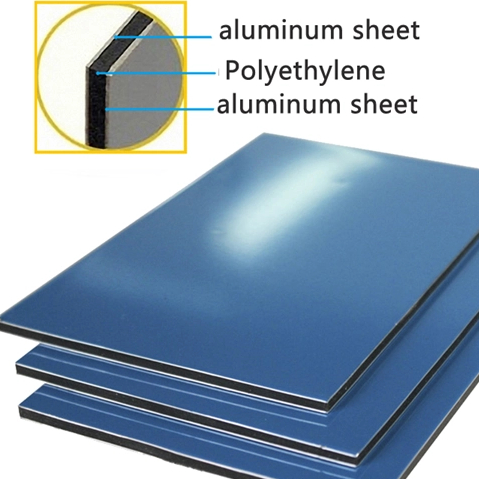
A description such as “4mm white ACP” leaves several important questions unanswered. It does not identify the thickness of each aluminum skin, the core type, the coating specification or the required performance documents.
It may also be unclear whether the quotation covers flat sheets only or includes cutting, fabrication, protective packaging and freight. These differences can change the purchase decision even when the quoted price per square meter looks attractive.
Start by identifying the intended use: signage, interior decoration, exterior cladding or another application. Then compare suitable products within the Geely aluminum composite panel range against one written specification.
The core affects material composition, panel weight and fire behavior. Polyethylene-core panels and mineral-filled alternatives should not be treated as interchangeable simply because their surfaces look similar.
A quotation for a fire-performance product should identify the exact product designation, classification standard and supporting report. Ask whether the documentation applies to the proposed thickness, core and construction.
Terms such as “FR,” “B1” and “A2” are not interchangeable guarantees of approval. Product classification and the performance of a complete wall assembly are different matters. Suitability must be checked against the project’s applicable requirements.
When reviewing Geely’s B1 FR aluminum composite panel, request the relevant documentation for the configuration being quoted. Do not assume that a product name alone establishes compliance.
Overall panel thickness does not tell you how much aluminum the panel contains. Two panels with the same total thickness can have different aluminum skin thicknesses.
With other specifications held constant, thicker skins increase aluminum consumption. Skin thickness also contributes to bending stiffness and influences fabrication behavior, but it does not independently establish a safe span or fixing arrangement.
Ask suppliers to state the front and rear skin thickness separately, together with their tolerances and measurement basis. Clarify whether the stated value refers to the aluminum substrate or includes the coating.
If the panel will be routed and folded, approve a fabrication sample using the intended tooling and fold detail. Skin thickness, alloy, temper, routing depth and workmanship all affect the result.

Panel appearance alone does not establish skin thickness, core composition or performance.
Coating chemistry and finish requirements can change the ACP panel price. Polyester and PVDF coating systems should be compared using their actual specifications, intended exposure and warranty conditions.
Be precise with terminology: a PE coating usually means polyester paint, while a PE core means polyethylene. These describe different parts of the panel.
Ask for the coating type, specified film thickness, color reference, gloss and applicable performance evidence. For exterior use, include the installation location and exposure conditions in the inquiry.
Decorative finishes introduce additional purchasing considerations. For wood and marble finish aluminum composite panels, approve the pattern, color and orientation before ordering. Directional patterns may restrict how pieces can be rotated during cutting, affecting usable yield.
Do not assume that every decorative finish is suitable for every exterior environment or carries the same warranty.

Compare the approved finish and coating specification as well as the quoted color.
Alloy designation and temper describe properties that a generic “aluminum skin” description leaves out. They can influence strength, forming behavior and suitability for the proposed fabrication process.
Do not rank panels by alloy number alone. A suitable choice depends on the complete specification, including skin thickness, coating, pretreatment, fabrication and exposure conditions.
Request the specified alloy and temper when these are important to the application. For formed components or demanding exposure, ask what material documentation and fabrication guidance are available.
A more expensive alloy does not automatically correct an unsuitable fixing detail, poor coating preparation or incorrect routing.
Panel thickness and sheet dimensions affect material consumption, handling and cutting yield. However, no single thickness automatically makes a panel suitable for exterior cladding. Panel size, support spacing, wind loads, fixing details and product performance must be considered together.
Compare quotations using the same nominal dimensions and agreed tolerances. Check thickness, length, width, squareness and the condition of the delivered edges.
A larger sheet can reduce waste when it fits the cutting layout. It can also create more waste when it does not. Include edge trimming, saw kerf, fold allowances and pattern direction in the nesting plan.
For example, a 1,220 × 2,440mm sheet has a nominal area of 2.9768m². Dividing its sheet price by 2.9768 gives the nominal price per square meter. It does not give the cost per square meter of finished cladding.
A quotation for flat sheets is different from one for cut panels or finished cassettes. Routing, folding, drilling, stiffeners, mounting components and protective packing should be listed separately where applicable.
Use approved drawings to define the required work. Confirm who supplies fabrication details, checks dimensions and accepts responsibility for the finished components.
The ALUCOBOND processing manual illustrates the range of cutting, routing, folding and fixing operations involved in composite panel fabrication. Its instructions are product-specific; obtain the correct processing guidance for the panel you purchase.
Delivery terms also change the quoted amount. Compare the same named destination or delivery point and the same trade term. The ICC Incoterms rules explain how delivery responsibilities, costs and risks are allocated between buyer and seller.
Record freight, insurance where applicable, import charges, unloading and local delivery separately so that each quotation can be compared on the same basis.
Documentation and warranty coverage deserve the same attention as the physical sample. Request reports relevant to the properties specified for your project, and check that they identify the product being offered.
Read the actual warranty rather than relying on a stated number of years. Compare coverage for coating appearance and panel bonding, exclusions, claim procedures and the available remedy. Material replacement, transport, removal and installation costs may be treated differently.
Finally, check quantity per color, minimum order conditions, production lead time, payment terms and quotation validity. A mixed-color order and a single-color production run may have different commercial terms.
These conditions should be confirmed in writing. Neither a higher price nor a longer warranty headline proves that one offer provides broader protection.
Send every supplier the same specification sheet. Use the following checklist to identify missing information before negotiating the final price.
Comparison Item | Information to Confirm |
|---|---|
Application | Installation location, exposure and project requirements |
Panel construction | Core, overall thickness, front and rear skin thickness, alloy and temper |
Surface | Coating specification, color, gloss, pattern and approved sample |
Dimensions | Sheet size, tolerances, cutting layout and fabrication allowances |
Supply scope | Flat sheets or fabricated parts, accessories, packing and inspection |
Evidence and warranty | Applicable reports, product identification, coverage and exclusions |
Commercial terms | Currency, quantity per color, delivery term, named place, lead time and validity |
Purchased sheet cost per usable square meter = total sheet purchase cost ÷ usable area obtained after cutting.
For a broader project comparison, add fabrication, packing, transport, applicable import charges, installation and expected maintenance costs. Keep these categories separate so that the reason for any price difference remains visible.
A: They may have different aluminum skin thicknesses, cores, coatings, alloys or documentation. Overall thickness describes only one part of the specification.
A: The pricing unit alone does not determine value. Convert both offers to the same area basis, then compare specifications, delivery scope and cutting yield.
A: Its value depends on the application and the specified coating performance. Compare exposure requirements, supporting evidence and warranty terms rather than choosing by coating name alone.
A: They can improve yield when matched to a cutting plan. Compare the reduction in waste against any order minimum, production charge, transport limitation or additional lead time.
A: Provide the application, project location, sheet dimensions, quantity per color, panel and skin thicknesses, core requirements, finish reference, required documents and delivery destination. Include drawings if fabrication is required.
Preparing a purchase specification? Review Geely’s technical support information, then send your required dimensions, quantity, finish and application details.
Contact Geely to request an aluminum composite panel quotation and confirm the available configuration, supporting documents and delivery terms for your order.