Views: 0 Author: Site Editor Publish Time: 2026-11-13 Origin: Site
When comparing wood finish ACP vs real wood, wood finish ACP often offers a lower routine maintenance burden than exterior timber that must retain a stained or painted appearance. It does not need the same wood-preservation and refinishing process.
However, the result changes with the application. Timber allowed to weather naturally has a different maintenance plan from timber kept close to its original color. Sheltered interior woodwork also should not be compared directly with an exposed facade.
A useful cost comparison considers cleaning, refinishing, inspections, access equipment, damage repairs and replacement. Neither material should be selected on a promise of zero maintenance.
Table of Contents
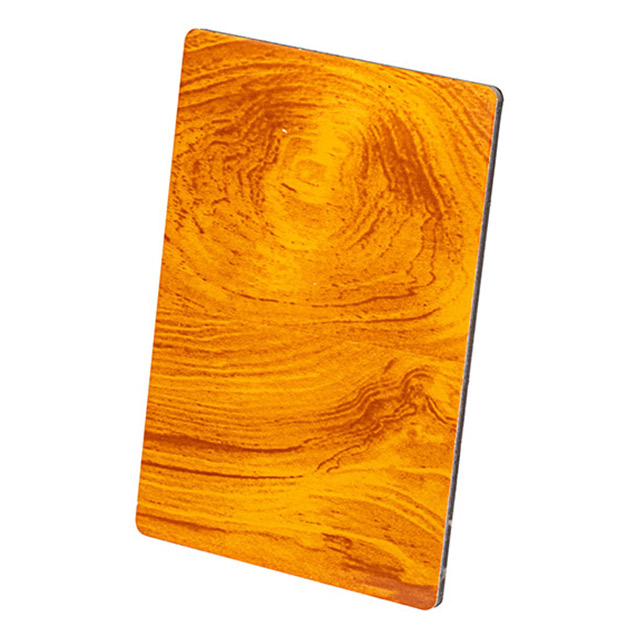
Wood finish aluminum composite panel uses a decorative wood-effect surface over an aluminum composite construction. It provides a patterned appearance rather than a natural timber surface.
Geely lists wood finish wooden grain ACP among its decorative panel products. Confirm the coating, core, aluminum skin thickness and intended application for the exact panel being quoted.
A woodgrain appearance does not identify the core or fire classification. It also does not establish suitability for every exterior, coastal or high-traffic location.
Solid timber boards, modified timber and thin wood veneer over a substrate are different products. Their finishes, moisture behavior and repair options vary.
For exterior timber, decide whether the design requires a maintained color or accepts natural weathering. For interior veneer, identify the substrate, protective finish and likely contact damage.
The USDA Wood Handbook chapter on finishing wood distinguishes outdoor protection from the appearance and cleanability priorities commonly associated with interior woodwork.
Both materials collect dirt. Cleaning frequency depends on exposure, nearby traffic, airborne deposits, shelter and the appearance standard expected by the owner.
For coated ACP, use the panel supplier’s cleaning instructions. Suitable methods generally start with gentle cleaning and compatible products, but cleaner chemistry, pressure and tools must suit the finish.
The ALPOLIC maintenance guidance illustrates why cleaning methods depend on the surface and why abrasive materials or unsuitable solvents can damage coatings. Its product-specific instructions should not automatically be transferred to Geely panels.
Timber cleaning must likewise suit the species and finish. Aggressive cleaning can damage either material. Include inspections of fixings, joints, drainage and adjacent construction in both maintenance plans.
Finished exterior timber may need renewed stain, paint or another specified coating to maintain the intended appearance and protection. The work depends on the finish condition: a maintenance coat is different from stripping and restoring a badly deteriorated surface.
There is no universal two-to-five-year refinishing interval for every timber facade. Species, detailing, finish system, orientation and exposure influence the schedule.
Wood finish ACP does not require timber-style oiling or staining. Its decorative coating can still weather or suffer damage, so confirm expected appearance performance, care requirements and warranty conditions rather than assuming it will never need attention.

The coating specification and exposure conditions affect the maintenance of a wood-effect surface.
Timber durability depends on the wood product, moisture exposure and construction details. Drainage and drying are important; not every timber installation requires the same preservative or pest treatment.
ACP does not decay in the same way as timber, but the complete wall remains vulnerable to poor water management. Joints, edges, sealants, fixings and supporting materials still require attention.
Dirt on a coated surface can support biological growth, and nearby materials may deteriorate if water is trapped. Do not treat ACP as a reason to remove facade inspections or moisture-management work from the budget.
Solid wood may offer repair or refinishing options, depending on the depth of damage and remaining material. Thin veneer has more limited sanding allowance, but repairability varies with its construction.
ACP can scratch or dent. A printed grain may be difficult to match with a local touch-up, and sanding can remove the decorative finish. Ask the supplier which repairs are acceptable.
Replacement work depends on the fixing system and access. A removable cassette may simplify the task, while another arrangement may require disturbing adjacent panels. New ACP or timber can also differ visually from weathered surrounding material.
Choose a comparison period, such as ten years, and apply it consistently. A ten-year study is a budgeting framework, not a prediction that either material will remain unchanged for that period.
For a maintenance-only comparison, keep initial purchase and installation costs separate. Use:
Maintenance cost = cleaning + inspections + scheduled refinishing + repairs and replacements + access and attributable disruption costs
Define what each quotation includes. If a contractor’s price already covers access equipment, do not add the same charge again.
Budget Item | Real Wood | Wood Finish ACP |
|---|---|---|
Routine cleaning | Method and frequency suitable for the wood and finish | Method and frequency suitable for the panel coating |
Appearance maintenance | Include coating renewal if the specified look requires it | No timber-style staining; allow for coating inspection and possible remedial work |
Localized damage | Assess repair, refinishing or board replacement | Assess approved touch-up or panel replacement |
Access | Include access for cleaning, inspection and refinishing | Include access for cleaning, inspection and repairs |
Wall-system upkeep | Check drainage, fixings, joints and supporting construction | Check drainage, fixings, joints and supporting construction |
Compare a base case with a more demanding exposure or repair case. Use local quotations and the selected product’s maintenance documents to estimate event frequency and cost.
ACP is more likely to show a maintenance advantage where exterior timber must retain a consistent coated appearance and repeated access is expensive. The difference may narrow for sheltered interiors or timber deliberately allowed to weather naturally.
If the decision concerns total ownership cost, add purchase, fabrication, installation and end-of-life assumptions as separate items. Do not label a maintenance-only comparison as a complete lifecycle assessment.
Geely’s wood and marble finish ACP page lists PE and PVDF coating options. Confirm which coating and woodgrain system are supplied for the intended exposure.
In this coating context, PE refers to polyester. It is different from polyethylene, which may be used in an ACP core. The two terms should not be confused when reviewing the specification.
Do not reject or approve a panel from the coating abbreviation alone. Request relevant weathering information, cleaning instructions and written warranty terms for the actual product. A warranty period is not a promise that no cleaning, fading or repairs will occur.

Review a physical sample alongside coating, care and warranty documents.
Do not assume all wood finish ACP uses a mineral-filled fire-retardant core. Confirm the exact core and the evidence required for the intended building application.
Likewise, neither a wood-effect finish nor an ACP label establishes fire-code compliance. Product selection must suit the relevant wall assembly and project requirements.
Review movement allowances, drainage, panel removal and replacement availability. Ask whether spare material should be retained for future color and pattern matching.
Geely’s technical support page provides a contact route for confirming product and order requirements. Establish who is responsible for the cladding-system design and maintenance plan.
A: No. It can reduce refinishing work compared with exterior timber kept to a coated appearance. Actual costs depend on exposure, access, damage, finish expectations and the selected products.
A: Use the wood and coating suppliers’ guidance and inspect the actual finish condition. There is no single interval covering every species, coating and climate.
A: No. It needs suitable cleaning and inspections, and the wall system still requires attention to joints, drainage, fixings and damage.
A: Sanding can remove the decorative coating. Ask the supplier about approved repair methods; deeper damage may require panel replacement.
A: It can be, depending on the wood product, exposure and accepted appearance. Sheltered applications or a deliberate natural-weathering strategy need a different comparison from color-maintained exterior timber.
Send your application, exposure conditions, preferred woodgrain, panel dimensions and maintenance expectations to Geely Panel. Request suitable product options, samples, coating details and care requirements before comparing quotations with real wood.