Views: 0 Author: Site Editor Publish Time: 2026-10-08 Origin: Site
Selecting the right surface finish for Aluminum Composite Panels (ACP) is more than an aesthetic choice. It directly impacts structural maintenance, compliance with local light pollution codes, and long-term visual integrity. Specifiers often face a dilemma between the striking modern appeal of gloss and the understated, forgiving nature of matte. Choosing the wrong finish can lead to magnified visual distortion, commonly known as oil-canning. It can also cause excessive maintenance requirements or rejected building permits due to severe glare.
Our goal is to provide a purely objective, specification-focused framework. We will help you evaluate matte vs gloss ACP finishes based on durability, application context, and implementation risks. You will learn how to match the appropriate surface profile to your specific architectural demands, ensuring your facade performs exactly as intended for decades.
Surface reflectivity drastically alters how we perceive a building. It influences thermal performance, perceived volume, and environmental integration. Glossy surfaces reflect their immediate surroundings. They can make structures seem lighter or more dynamic as the sun moves across the sky. Conversely, matte surfaces ground the building. They provide a solid, monolithic appearance. This choice affects how the property interacts with adjacent architecture and pedestrian spaces.
Architects rely on objective metrics to measure this reflectivity. Light Reflectance Value (LRV) dictates exactly how much ambient light a panel reflects versus absorbs. The LRV scale runs from 0 (absolute black) to 100 (pure white). Glare ratings, on the other hand, measure focused, directional light bouncing off the facade. High LRV panels bounce harsh sunlight directly into neighboring streets or adjacent office windows. This phenomenon poses serious safety risks for drivers and creates uncomfortable thermal hotspots in neighboring buildings.
The finish also introduces the "flawless wall" challenge. Smooth, highly reflective surfaces demand absolute structural perfection. Any warp in the substructure telegraphs through the panel immediately. We call this visual distortion oil-canning. Dark colors inherently magnify these demands. Dark panels absorb more solar heat, causing rapid thermal expansion. This sudden movement stresses the panel against its fasteners, creating ripples. Therefore, your selected finish dictates the required precision of your underlying framing system.
A standard matte aluminum composite panel typically features a gloss level between 10% and 30%. Manufacturers achieve this subdued look by adding specialized matting agents, usually silica-based, directly into the PVDF or PE coating during production. This additive creates a microscopic texture on the paint surface. Instead of bouncing light back in a straight line, this texture scatters light in multiple directions.
Matte profiles excel at concealing minor surface deviations. They hide structural flexing and minor oil-canning perfectly. You get a remarkably flat, uniform facade even if the substrate has slight imperfections. Matte panels also produce exceptionally low glare. This characteristic ensures easy compliance with strict urban zoning codes and light pollution ordinances. For interior environments, they offer excellent fingerprint and smudge resistance. This trait is critical for high-traffic zones where people frequently touch the walls.
The same micro-texture scattering light can trap atmospheric dirt. Airborne pollutants settle into these microscopic valleys. You must schedule regular, thorough facade washing to prevent grime buildup over time. A matte finish also does not "pop" visually. In low-light environments or frequently overcast climates, a purely matte building may appear flat, dull, or lifeless.
You should specify a matte finish for large-scale commercial facades. They work beautifully on sprawling residential exteriors. Use them extensively for high-touch interior walls. Transit hubs, school corridors, hospital lobbies, and massive uninterrupted elevations benefit immensely from this forgiving, low-maintenance surface profile.
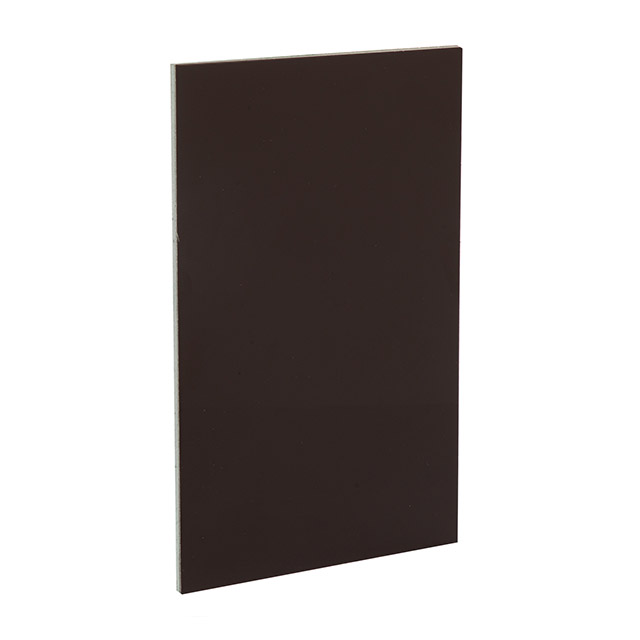
A gloss ACP typically features a gloss level ranging from 80% to 90% or higher. It relies on a highly smooth, resin-rich topcoat. This finish mimics the sleek, wet look of architectural glass or premium automotive paint. The production process eliminates matting agents, allowing the coating to cure into a perfectly flat, highly reflective barrier.
Gloss panels deliver a striking, high-impact aesthetic. They capture attention immediately and signal premium branding. The ultra-smooth surface effectively repels atmospheric dust and loose particulate matter. Rain easily washes casual dirt away. Facility managers can clean these panels using a simple, fast wipe-down routine. Furthermore, they reflect ambient light highly efficiently. This characteristic makes interior spaces feel much larger and brighter. On exteriors, architectural accents stand out brilliantly against duller surroundings.
Gloss finishes are extremely unforgiving regarding structural flaws. Any tension on the panel visibly distorts its reflections. If installed poorly, gloss panels function like funhouse mirrors. They are also highly susceptible to visible micro-scratching. Improper cleaning tools, rough rags, or wind-blown sand leave permanent swirl marks on the topcoat. Furthermore, they carry a high risk of glare. This intense light pollution frequently violates modern municipal building regulations.
Specify high-gloss panels for automotive dealerships and retail fascias. They suit specific architectural accents like entrance canopies perfectly. Use them for out-of-reach interior branding walls behind reception desks. Avoid placing them in narrow pedestrian walkways where bags or jackets might brush against the cladding.
Choosing between these finishes requires a direct comparison of physical behaviors. We must evaluate how they perform under daily environmental stress and typical maintenance cycles.
Performance Matrix: Matte vs Gloss Finishes
| Performance Metric | Matte ACP | Gloss ACP |
|---|---|---|
| Scratch & Scuff Visibility | Disguises surface abrasions effectively due to light diffusion. | Highlights abrasions and micro-scratches prominently. |
| Cleaning Efficiency | Requires deep-pore pressure washing but resists water streaks. | Fast to wipe down but requires careful buffing to avoid streaks. |
| Fingerprint Retention | Highly resistant; excellent for interior touch-zones. | Highly sensitive; poor choice for high-traffic touchpoints. |
| Dark/Black Panel Application | Provides a reliable, monolithic appearance despite thermal expansion. | Requires perfectly plumb installation to avoid funhouse-mirror distortion. |
| UV Fading Perception | Hides subtle chalking and dulling over a 10-15 year lifespan. | Shows chemical dulling and chalking much more obviously over time. |
Dark and black panel applications deserve special attention. Black gloss ACP absorbs immense solar radiation. It undergoes significant thermal expansion daily. If your framing is even slightly out of plumb, the gloss surface distorts aggressively as it expands. Black matte panels absorb the exact same heat but successfully mask the resulting thermal movement. The lack of reflections hides the structural stress.
Ultraviolet degradation also presents differently. Over a decade, harsh sunlight breaks down complex coating resins. Gloss finishes gradually lose their mirror-like shine. They show chalking rapidly because the contrast between the original gloss and the degraded spots becomes highly visible. Matte PVDF finishes degrade chemically at the exact same rate, but the visual shift remains incredibly subtle to the naked eye.
You must align your finish selection with the physical environment. Exteriors and interiors present entirely different chemical and mechanical challenges.
Weatherability stands as the primary exterior concern. Both finishes require high-quality PVDF coatings for reliable UV resistance. However, the gloss level dictates how we perceive that weathering over time. Gloss surfaces highlight every speck of dried acid rain and wind-blown dust. Matte surfaces camouflage natural environmental accumulation better between wash cycles.
City ordinances also play a massive role in exterior specification. You must evaluate panels against local light pollution codes. Many urban centers now strictly limit facade reflectivity. They prohibit high-gloss finishes near intersections, residential zones, or airports. Always verify the panel's LRV against municipal zoning restrictions before ordering materials. Failing to do so can result in costly tear-downs ordered by city inspectors.
Architects increasingly position ACP as a highly modern alternative to traditional interior materials. It competes directly with wood veneer, paint, or commercial wallpaper. Panels install faster, resist moisture completely, and offer superior fire ratings. When selecting finishes for interiors, human interaction dictates the choice.
Lighting interaction dictates interior success. Directional interior lighting, such as track lights or wall wash fixtures, interacts aggressively with glossy surfaces. It creates intense, blinding hotspots and harsh reflections. Matte panels absorb and gracefully diffuse this directional light. They create a soft, even glow across the corridor. Matte walls provide excellent backdrops for digital displays, artwork, or retail merchandise, ensuring the wall does not compete with the product.
Specifying the perfect panel represents only half the battle. You must actively manage installation risks to ensure visual success on the job site.
Gloss levels can vary slightly between different paint batches during manufacturing. A 5% gloss variance on a continuous, sunlit facade looks like a massive checkerboard error. Always order material for a single elevation from a single production batch. Emphasize this strict rule in your procurement documents to avoid mismatched panels.
Gloss finishes are extremely sensitive to adhesive residue. Manufacturers protect panels with plastic films during shipping. If the sun bakes this film on an exterior wall, the adhesive chemically transfers to the gloss topcoat. Removing it becomes nearly impossible without damaging the paint. Outline strict timelines for film removal post-installation. Usually, contractors must remove it within 45 days of exterior exposure.
You must follow the directional arrows printed on the panel’s protective film. Metallic and gloss finishes reflect light directionally based on how the coating rollers applied the paint in the factory. If an installer rotates a single panel 90 degrees, it will look like a completely different color under natural light. This error plagues gloss installations frequently.
Gloss panels demand incredibly tight framing tolerances. Standard framing systems often flex under wind loads. To prevent visual warping, you must upgrade your substructure. We recommend specifying tighter extrusion spacing and thicker aluminum panel skins. Consider using 0.4mm or 0.5mm skin thicknesses specifically for gloss applications. This extra material rigidity prevents the panel from sagging or bowing.
There is no universal "best" finish for composite cladding. The final verdict hinges entirely on your specific project variables. You must carefully balance the ambient lighting environment, pedestrian viewing distance, the facility's maintenance budget, and the structural rigidity of the underlying frame.
Here are your action-oriented next steps for successful specification:
A: Pricing is typically driven by the core type and paint quality (such as PVDF versus PE), rather than the gloss level itself. Both standard finishes cost roughly the same to manufacture. However, ultra-high-gloss polishing or specialized custom matting agents may carry slight production premiums depending on the specific supplier.
A: Longevity depends entirely on the resin system used in the coating, such as PVDF, rather than the visual finish. A PVDF matte and PVDF gloss will chemically degrade at the same rate. However, gloss finishes often visually degrade faster because they highlight micro-scratching, chalking, and environmental dirt much more prominently.
A: Yes, mixing finishes is a highly popular architectural trend. Designers frequently use matte panels for the primary, large-scale cladding to ground the building visually. They then apply gloss panels for specific branding elements, entrance canopies, or window framing accents to create deliberate, high-contrast visual interest.
A: Always use a gentle, non-abrasive cleaning method. Apply a mild, pH-neutral detergent mixed with warm water. Gently wipe the surface using a clean, ultra-soft microfiber cloth to lift the oils. Immediately buff the area dry with a second clean microfiber cloth to prevent water streaks and restore the original shine.